Red Beet Concentrate
What is Red Beet Concentrate?
Red beet concentrate is a natural food coloring made from red beets (Beta vulgaris). The beets are typically juiced, and then the color is concentrated through evaporation or other methods to create a stable, vibrant red hue.
Is Red Beet Concentrate vegan?
Red Beet Concentrate is not animal-derived. Products that contain it can still include other animal-derived ingredients, so check the full ingredient list.
Is Red Beet Concentrate gluten-free?
It does not contain gluten.
Is Red Beet Concentrate a major allergen?
Red beet concentrate is not derived from any of the nine FDA major allergens.
What is Red Beet Concentrate used for?
Manufacturers use red beet concentrate to add or enhance red, pink, or purple colors in foods.
Is Red Beet Concentrate safe?
Red beet concentrate is generally recognized as safe (GRAS) by the FDA for use as a food coloring.
Why it's used
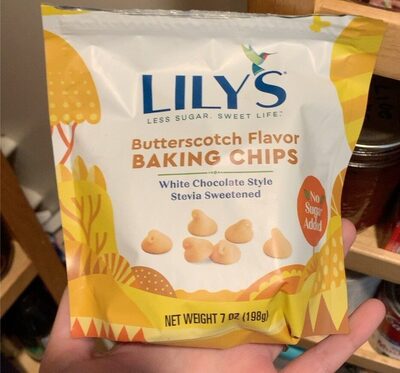
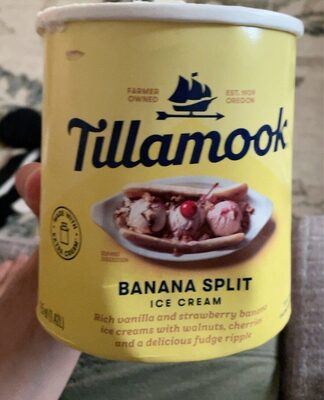
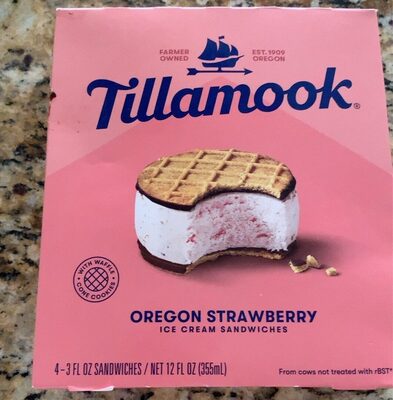
Manufacturers use red beet concentrate to add or enhance red, pink, or purple colors in foods. It is often found in dairy products like yogurt and ice cream, as well as cereals and baked goods.
Health notes
Red beet concentrate is generally recognized as safe (GRAS) by the FDA for use as a food coloring. It is primarily composed of betalains, which are antioxidants. Regulatory bodies like EFSA have evaluated beet red coloring. There is no evidence to suggest adverse health effects at typical consumption levels.
Allergen info
Red beet concentrate is not derived from any of the nine FDA major allergens. It does not contain gluten.
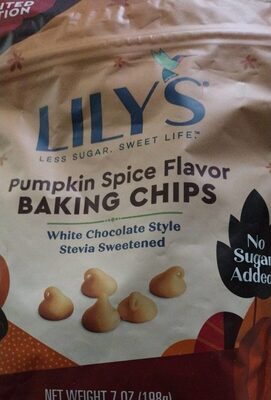
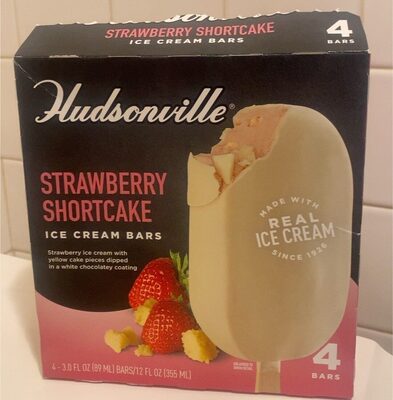
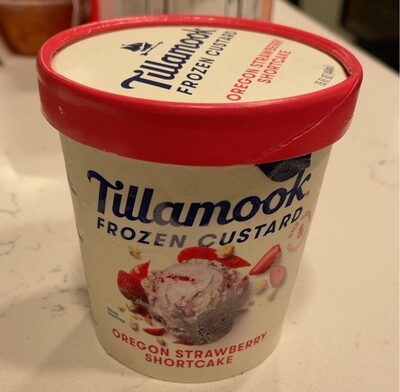
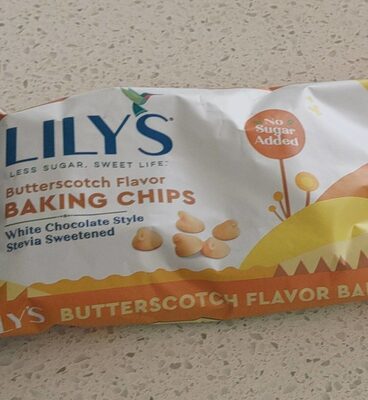
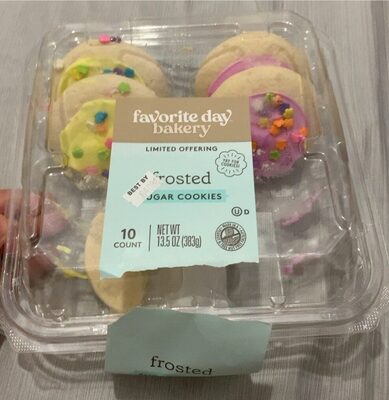
Foods that contain Red Beet Concentrate
Compare products →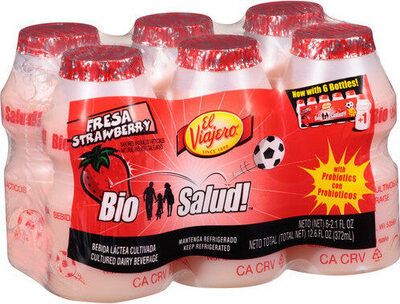








Learn more
Auto-generated content. This description was generated automatically and is pending editorial review. Inaccuracies are possible. Found a mistake? Contact us.