Reduced Minerals Whey
What is Reduced Minerals Whey?
Reduced minerals whey is a milk derivative. It is made by removing minerals, such as calcium and phosphorus, from whey, a liquid byproduct of cheesemaking. This process concentrates the whey's protein content.
Is Reduced Minerals Whey vegan?
No. Reduced Minerals Whey is animal-derived, so it is not vegan.
Is Reduced Minerals Whey gluten-free?
It does not contain gluten.
Is Reduced Minerals Whey a major allergen?
Reduced minerals whey is derived from milk, which is one of the nine FDA major allergens.
What is Reduced Minerals Whey used for?
Manufacturers use reduced minerals whey as a source of protein and to improve texture and browning in foods.
Is Reduced Minerals Whey safe?
Reduced minerals whey is generally recognized as safe (GRAS) by the FDA.
Why it's used
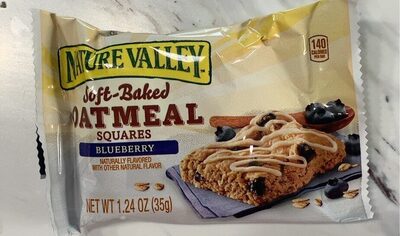
Manufacturers use reduced minerals whey as a source of protein and to improve texture and browning in foods. It is often found in baked goods like cookies and biscuits, as well as snack and energy bars.
Health notes
Reduced minerals whey is generally recognized as safe (GRAS) by the FDA. It is a source of protein and other nutrients found naturally in milk. Regulatory bodies like JECFA and EFSA have evaluated whey and its components. Evidence does not suggest adverse health effects from typical dietary intake.
Allergen info
Reduced minerals whey is derived from milk, which is one of the nine FDA major allergens. It does not contain gluten.
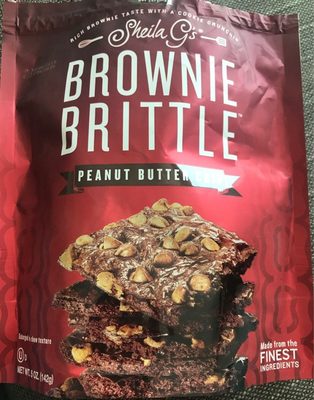
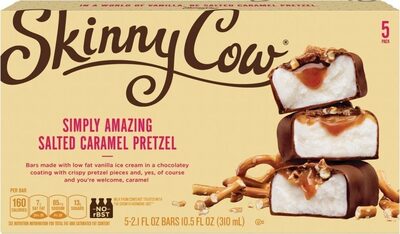
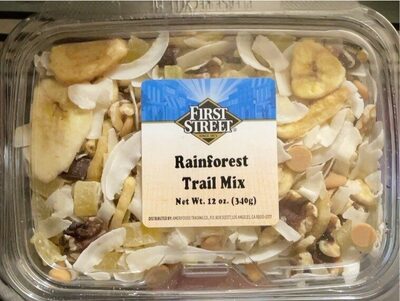
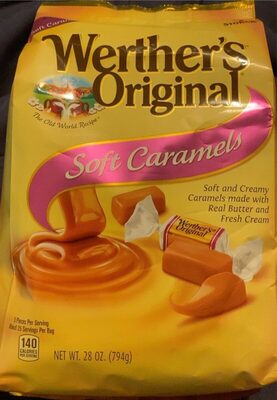
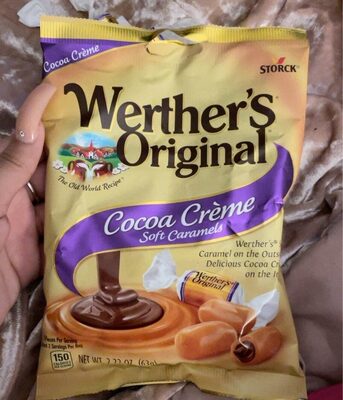
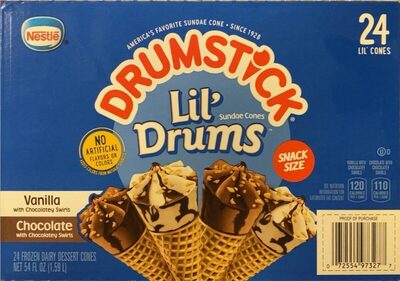
Foods that contain Reduced Minerals Whey
Compare products →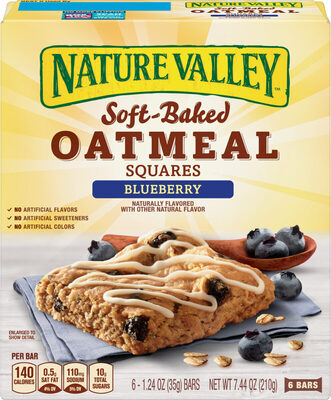
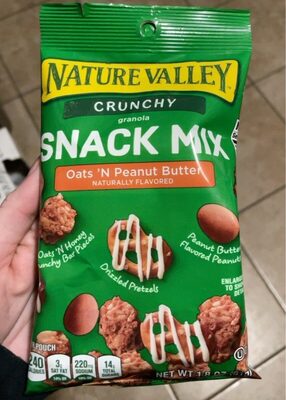









Learn more
Auto-generated content. This description was generated automatically and is pending editorial review. Inaccuracies are possible. Found a mistake? Contact us.