Rice Koji
What is Rice Koji?
Rice koji is rice that has been inoculated with a mold called Aspergillus oryzae. The mold is allowed to grow on the rice, breaking down its starches and proteins into simpler sugars and amino acids. This process is fundamental to making fermented foods like soy sauce, miso, and sake.
Is Rice Koji vegan?
Rice Koji is not animal-derived. Products that contain it can still include other animal-derived ingredients, so check the full ingredient list.
Is Rice Koji gluten-free?
Rice koji is derived from rice and does not contain gluten.
Is Rice Koji a major allergen?
Rice is not one of the 9 FDA major allergens.
What is Rice Koji used for?
Manufacturers use rice koji as a natural sweetener and flavor enhancer in foods.
Is Rice Koji safe?
Rice koji is generally recognized as safe (GRAS) by the FDA for use in food.
Why it's used
Manufacturers use rice koji as a natural sweetener and flavor enhancer in foods. Its enzymes help tenderize meats and break down starches, contributing to a savory, umami taste. It is commonly found in marinades, sauces, and fermented products.
Health notes
Rice koji is generally recognized as safe (GRAS) by the FDA for use in food. The fermentation process can produce beneficial compounds, but specific health effects are not widely studied for typical dietary intake. International bodies like JECFA have evaluated related fermented products, but no specific evaluations for rice koji alone are prominent. There are no widespread controversies regarding its use in typical food applications.
Allergen info
Rice is not one of the 9 FDA major allergens. Rice koji is derived from rice and does not contain gluten.
Foods that contain Rice Koji
Compare products →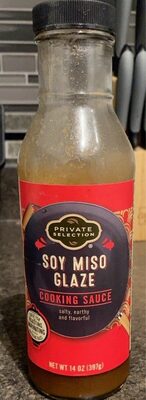
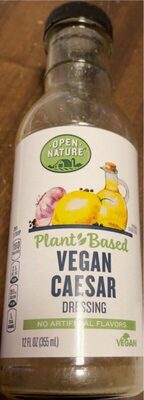
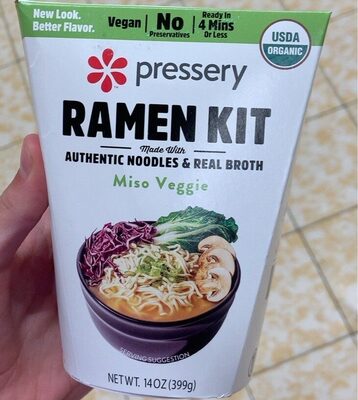
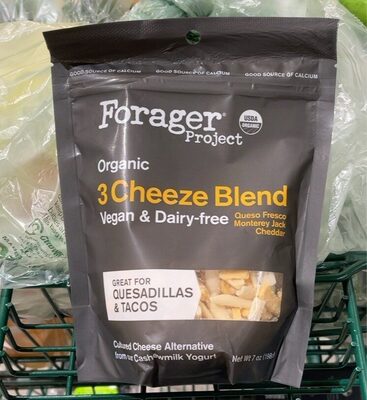
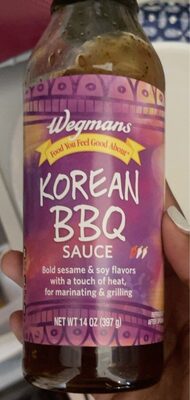
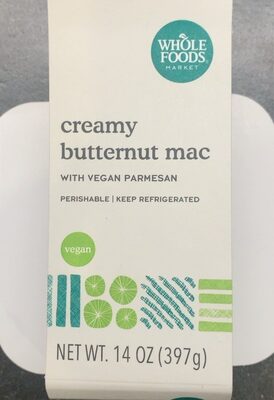
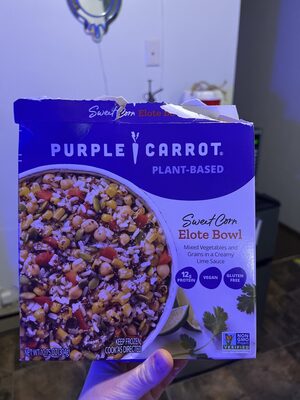
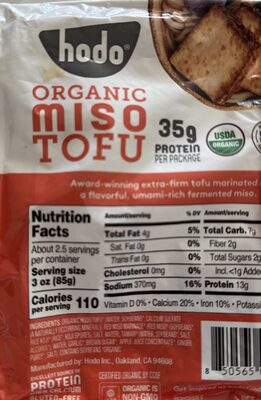
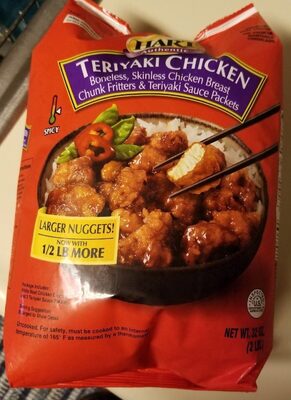
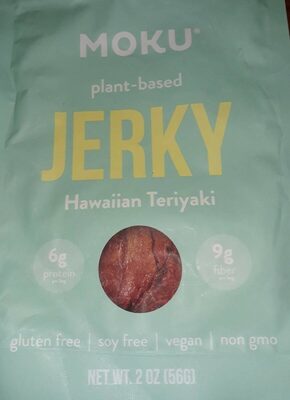
Learn more
Auto-generated content. This description was generated automatically and is pending editorial review. Inaccuracies are possible. Found a mistake? Contact us.