Rice & Salt
What is Rice & Salt?
Rice is a grain that grows in wet environments and is a staple food for much of the world's population. It is processed by removing the outer hull, and can be further milled to remove the bran and germ. Salt, or sodium chloride, is a mineral naturally found in seawater and underground deposits.
Is Rice & Salt vegan?
Rice & Salt is not animal-derived. Products that contain it can still include other animal-derived ingredients, so check the full ingredient list.
Is Rice & Salt gluten-free?
It does not contain gluten.
Is Rice & Salt a major allergen?
Rice is not one of the 9 FDA major allergens.
What is Rice & Salt used for?
Rice is used as a base ingredient in many dishes, providing carbohydrates and texture.
Is Rice & Salt safe?
Rice is a source of carbohydrates and some B vitamins.
Why it's used
Rice is used as a base ingredient in many dishes, providing carbohydrates and texture. Salt is used to enhance flavor, act as a preservative, and control fermentation in foods like baked goods.
Health notes
Rice is a source of carbohydrates and some B vitamins. Salt (sodium chloride) is essential for bodily functions, but high intake is linked to increased blood pressure. The FDA recommends limiting sodium intake. JECFA has evaluated salt and established acceptable intake levels. There is ongoing scientific discussion about the optimal level of sodium intake for health.
Allergen info
Rice is not one of the 9 FDA major allergens. It does not contain gluten.
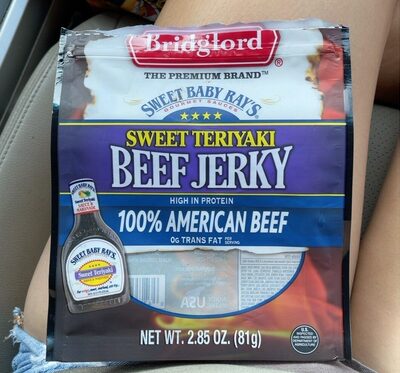
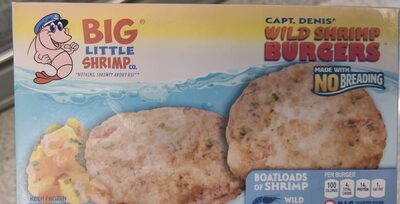
Foods that contain Rice & Salt
Compare products →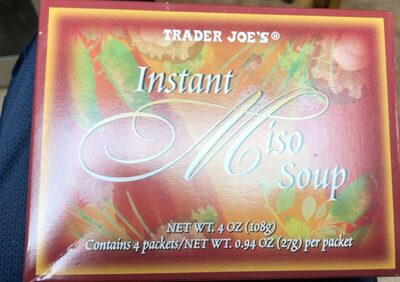
Learn more
Auto-generated content. This description was generated automatically and is pending editorial review. Inaccuracies are possible. Found a mistake? Contact us.