Roasted Pistachios
What is Roasted Pistachios?
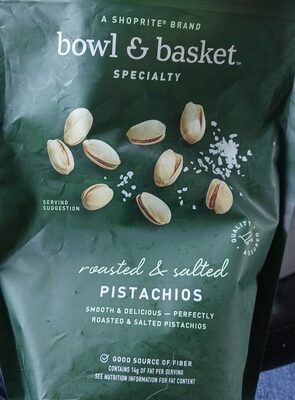
Pistachios are the edible seeds of the Pistaia vera tree, native to Central Asia and the Middle East. They are typically roasted and salted before being sold as a snack or ingredient.
Is Roasted Pistachios vegan?
Roasted Pistachios is not animal-derived. Products that contain it can still include other animal-derived ingredients, so check the full ingredient list.
Is Roasted Pistachios gluten-free?
They do not contain gluten.
Is Roasted Pistachios a major allergen?
Pistachios are classified as a tree nut, which is one of the 9 FDA major allergens.
What is Roasted Pistachios used for?
Roasted pistachios are used to add a nutty flavor and crunchy texture to a variety of foods.
Is Roasted Pistachios safe?
Pistachios are a source of protein, fiber, and healthy fats.
Why it's used
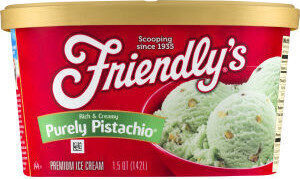
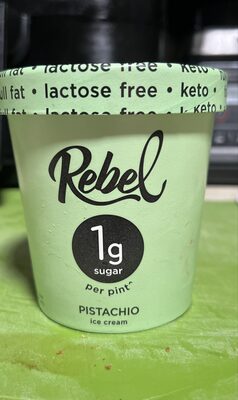
Roasted pistachios are used to add a nutty flavor and crunchy texture to a variety of foods. They are commonly found in baked goods like pastries and muffins, as well as in ice cream, popcorn, and snack mixes.
Health notes
Pistachios are a source of protein, fiber, and healthy fats. The FDA considers pistachios to be Generally Recognized As Safe (GRAS) for consumption. Regulatory bodies like EFSA have evaluated pistachios and found them to be safe. While generally healthy, individuals with nut allergies should avoid them.
Allergen info
Pistachios are classified as a tree nut, which is one of the 9 FDA major allergens. They do not contain gluten.
Foods that contain Roasted Pistachios
Compare products →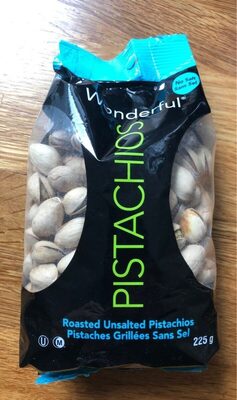
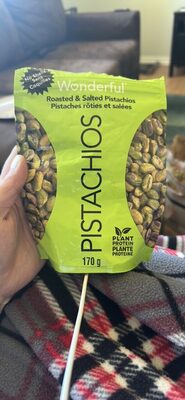
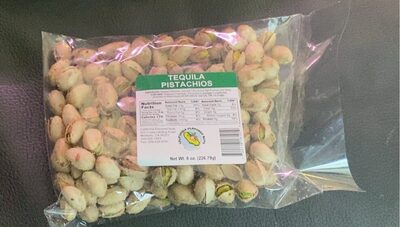
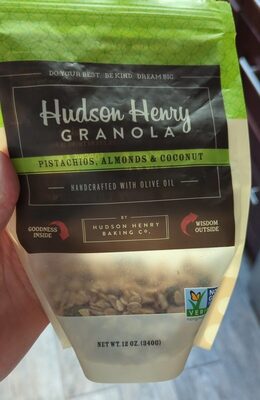
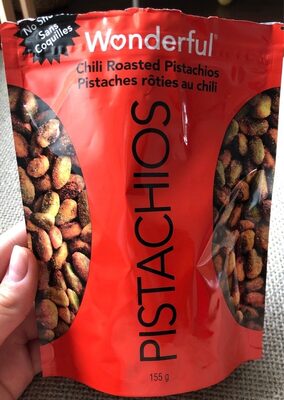
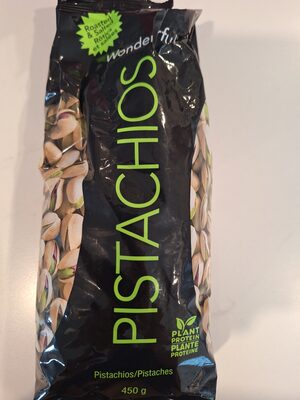
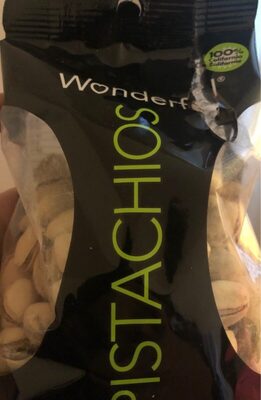
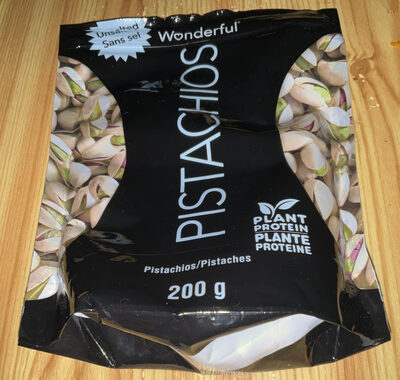 Wonderful
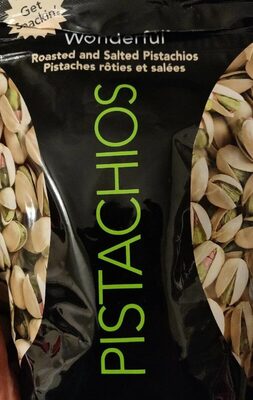
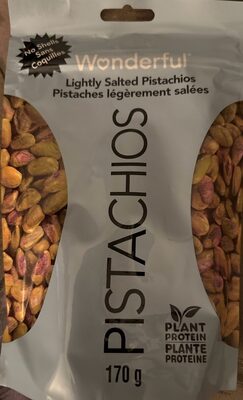
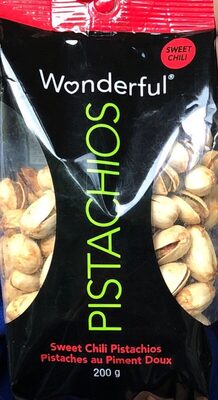
Roasted Unsalted Get Snackin' Pistachios, Roasted Unsalted
580kcal
22Protein
46Fat
28Carbs
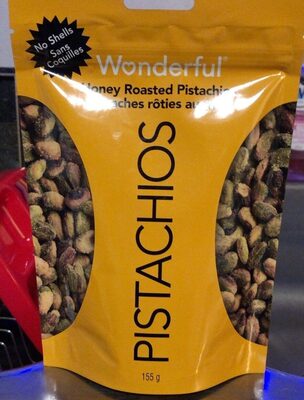
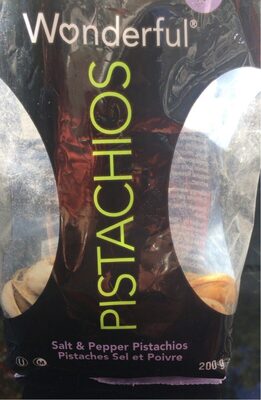
Learn more
Auto-generated content. This description was generated automatically and is pending editorial review. Inaccuracies are possible. Found a mistake? Contact us.