Roasted Salted Chickpeas
What is Roasted Salted Chickpeas?
Chickpeas are legumes, also known as garbanzo beans. They are typically roasted and then salted for flavor. Roasting can be done in an oven or using specialized equipment.
Is Roasted Salted Chickpeas vegan?
Roasted Salted Chickpeas is not animal-derived. Products that contain it can still include other animal-derived ingredients, so check the full ingredient list.
Is Roasted Salted Chickpeas gluten-free?
They do not contain gluten.
Is Roasted Salted Chickpeas a major allergen?
Chickpeas are not one of the nine major allergens.
What is Roasted Salted Chickpeas used for?
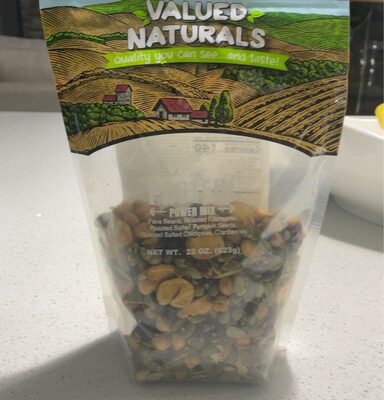
Roasted salted chickpeas are often used as a savory snack, either on their own or as part of a trail mix.
Is Roasted Salted Chickpeas safe?
Chickpeas are a source of protein and fiber.
Why it's used
Roasted salted chickpeas are often used as a savory snack, either on their own or as part of a trail mix. They provide a crunchy texture and a salty taste, making them a popular alternative to chips or nuts.
Health notes
Chickpeas are a source of protein and fiber. The sodium content comes from the added salt, and consumers aiming to reduce sodium intake may want to monitor their consumption. The FDA sets a Daily Value for sodium at 2,300 mg per day. No specific health concerns are associated with moderate consumption of roasted salted chickpeas.
Allergen info
Chickpeas are not one of the nine major allergens. They do not contain gluten.
Foods that contain Roasted Salted Chickpeas
Compare products →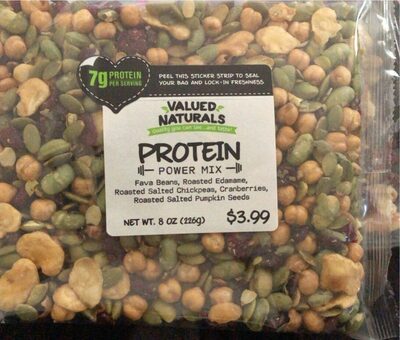

Learn more
Auto-generated content. This description was generated automatically and is pending editorial review. Inaccuracies are possible. Found a mistake? Contact us.