Roasted Sesame Seed Oil
What is Roasted Sesame Seed Oil?
Roasted sesame seed oil is a flavorful cooking oil made from toasted sesame seeds. The seeds are first roasted to bring out their nutty aroma and taste, then pressed to extract the oil. This process gives the oil a rich, deep flavor and a darker color compared to unroasted sesame oil.
Is Roasted Sesame Seed Oil vegan?
Roasted Sesame Seed Oil is not animal-derived. Products that contain it can still include other animal-derived ingredients, so check the full ingredient list.
Is Roasted Sesame Seed Oil a major allergen?
Sesame is one of the 9 major food allergens recognized by the FDA.
What is Roasted Sesame Seed Oil used for?
Manufacturers use roasted sesame oil primarily for its strong flavor and aroma, acting as a potent flavoring agent.
Is Roasted Sesame Seed Oil safe?
In the U.S., roasted sesame oil is generally recognized as safe (GRAS) by the FDA for use as a food ingredient.
Why it's used
Manufacturers use roasted sesame oil primarily for its strong flavor and aroma, acting as a potent flavoring agent. It is commonly added to Asian-inspired dishes, marinades, dressings, and sauces to impart a distinct nutty taste. It is often used as a finishing oil, drizzled over food just before serving.
Health notes
In the U.S., roasted sesame oil is generally recognized as safe (GRAS) by the FDA for use as a food ingredient. It is a source of healthy fats, including monounsaturated and polyunsaturated fatty acids. International bodies like JECFA have evaluated sesame oil, and EFSA has also assessed its safety. At typical consumption levels, it is not associated with adverse health effects.
Allergen info
Sesame is one of the 9 major food allergens recognized by the FDA. Therefore, roasted sesame seed oil is considered a major allergen.
Foods that contain Roasted Sesame Seed Oil
Compare products →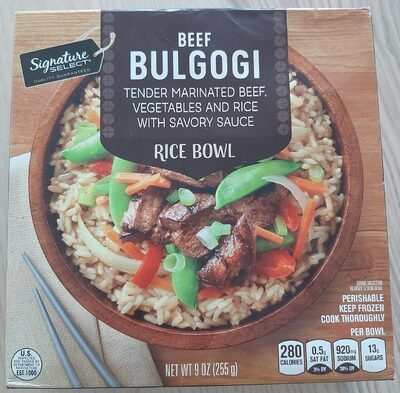
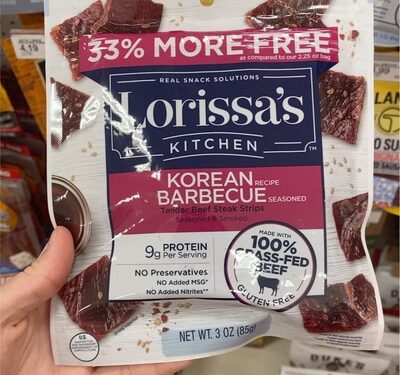
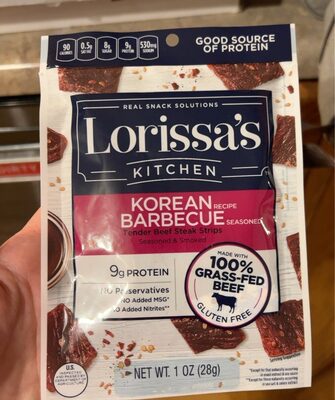

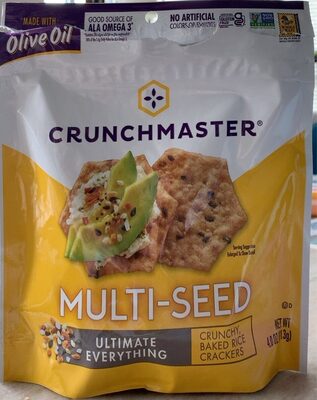

Learn more
Auto-generated content. This description was generated automatically and is pending editorial review. Inaccuracies are possible. Found a mistake? Contact us.