Romano And Blue Cheese Powder
What is Romano And Blue Cheese Powder?
Romano and blue cheese powder is a dried, powdered form of Romano and blue cheese. It is made by dehydrating cheese, often with added ingredients like whey, salt, and flavorings, to create a shelf-stable powder.
Is Romano And Blue Cheese Powder vegan?
No. Romano And Blue Cheese Powder is animal-derived, so it is not vegan.
Is Romano And Blue Cheese Powder gluten-free?
It does not contain gluten.
Is Romano And Blue Cheese Powder a major allergen?
This ingredient is derived from milk and is therefore a major allergen.
What is Romano And Blue Cheese Powder used for?
This powder is used to add a cheesy, savory flavor to foods.
Is Romano And Blue Cheese Powder safe?
Romano and blue cheese powder is generally recognized as safe (GRAS) by the FDA for use as a flavoring.
Why it's used
This powder is used to add a cheesy, savory flavor to foods. It is commonly found in snack foods like popcorn, seasoned nuts, and crackers, as well as in some dry soup mixes and dips.
Health notes
Romano and blue cheese powder is generally recognized as safe (GRAS) by the FDA for use as a flavoring. Regulatory bodies like JECFA and EFSA have evaluated cheese and dairy derivatives, but specific evaluations for this powder are not widely publicized. At typical consumption levels found in snacks, it contributes sodium and fat, consistent with cheese consumption.
Allergen info
This ingredient is derived from milk and is therefore a major allergen. It does not contain gluten.
Foods that contain Romano And Blue Cheese Powder
Compare products →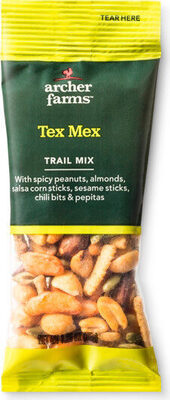
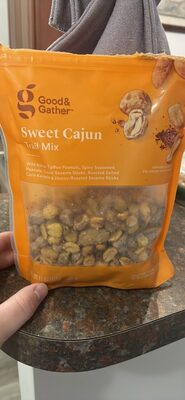
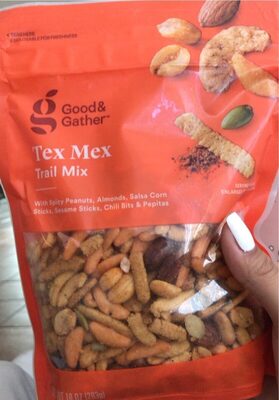
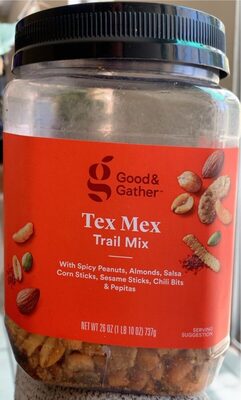
Learn more
Auto-generated content. This description was generated automatically and is pending editorial review. Inaccuracies are possible. Found a mistake? Contact us.