Romano Cheese Part-skim Cow's Milk
What is Romano Cheese Part-skim Cow's Milk?
Romano cheese is a hard, salty Italian-style cheese. When made from part-skim cow's milk, it has a lower fat content than traditional Romano, which is often made from sheep's milk. It is aged for several months, which contributes to its sharp, pungent flavor.
Is Romano Cheese Part-skim Cow's Milk vegan?
No. Romano Cheese Part-skim Cow's Milk is animal-derived, so it is not vegan.
Is Romano Cheese Part-skim Cow's Milk a major allergen?
Milk is one of the nine major food allergens identified by the FDA.
What is Romano Cheese Part-skim Cow's Milk used for?
Manufacturers add Romano cheese for its distinct salty, sharp flavor and firm texture.
Is Romano Cheese Part-skim Cow's Milk safe?
Romano cheese made from part-skim cow's milk is regulated by the FDA as a food product.
Why it's used
Manufacturers add Romano cheese for its distinct salty, sharp flavor and firm texture. It is often grated over pasta dishes, pizzas, and salads, or incorporated into sauces and baked goods to enhance savory profiles. It is commonly found in frozen dinners, pasta mixes, and other dry dinner products.
Health notes
Romano cheese made from part-skim cow's milk is regulated by the FDA as a food product. As a dairy product, it provides protein and calcium, but can be high in sodium due to its curing process. Consumption of dairy products is part of a balanced diet, but individuals with lactose intolerance or milk allergies need to avoid it.
Allergen info
Milk is one of the nine major food allergens identified by the FDA. Individuals with a milk allergy or lactose intolerance should avoid products containing Romano cheese.
Foods that contain Romano Cheese Part-skim Cow's Milk
Compare products →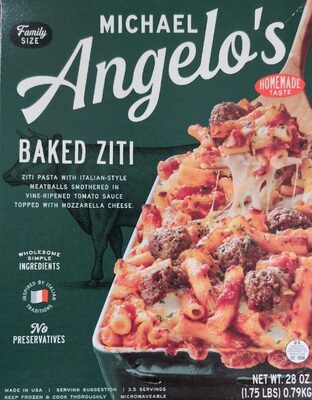 Michael Angelo's Gourmet Foods, Inc
Italian-Style Meatballs And Ziti Pasta Smothered In Vine-Ripened Tomato Sauce, Topped With Mozzarella Cheese., Baked Ziti With Meatballs
High in sodium — 30% DV per serving
High in saturated fat — 35% DV per serving
159kcal
7.9Protein
6.6Fat
16.3Carbs
Zatarain's Inc.
Alfredo Pasta Dinner Mix, Alfredo
High in sodium — 33% DV per serving
389kcal
13.9Protein
9.7Fat
61.1Carbs
Michael Angelo's Gourmet Foods, Inc
Italian-Style Meatballs And Sauce Italian-Style Meatballs, Smothered In Vine-Ripened Tomato Sauce Topped With Romano Cheese High Protein Meal Starter, Italian-Style Meatballs And Sauce
High in sodium — 30% DV per serving
High in saturated fat — 30% DV per serving
159kcal
9.9Protein
11.3Fat
4.6Carbs
Michael Angelo's Gourmet Foods, Inc
Baked Ziti With Meatballs Italian-Style Meatballs And Ziti Pasta Smothered In Vine-Ripened Tomato Sauce, Topped With Mozzarella Cheese, Baked Ziti With Meatballs
High in sodium — 37% DV per serving
High in saturated fat — 40% DV per serving
High in cholesterol — 20% DV per serving
154kcal
7.4Protein
6.4Fat
16.4Carbs
Michael Angelo's Gourmet Foods, Inc
Italian-Style Meatballs And Ziti Pasta Smothered In Vine-Ripened Tomato Sauce, Topped With Mozzarella Cheese., Baked Ziti With Meatballs
High in sodium — 30% DV per serving
High in saturated fat — 35% DV per serving
159kcal
7.9Protein
6.6Fat
16.3Carbs
Zatarain's Inc.
Alfredo Pasta Dinner Mix, Alfredo
High in sodium — 33% DV per serving
389kcal
13.9Protein
9.7Fat
61.1Carbs
Michael Angelo's Gourmet Foods, Inc
Italian-Style Meatballs And Sauce Italian-Style Meatballs, Smothered In Vine-Ripened Tomato Sauce Topped With Romano Cheese High Protein Meal Starter, Italian-Style Meatballs And Sauce
High in sodium — 30% DV per serving
High in saturated fat — 30% DV per serving
159kcal
9.9Protein
11.3Fat
4.6Carbs
Michael Angelo's Gourmet Foods, Inc
Baked Ziti With Meatballs Italian-Style Meatballs And Ziti Pasta Smothered In Vine-Ripened Tomato Sauce, Topped With Mozzarella Cheese, Baked Ziti With Meatballs
High in sodium — 37% DV per serving
High in saturated fat — 40% DV per serving
High in cholesterol — 20% DV per serving
154kcal
7.4Protein
6.4Fat
16.4Carbs
Learn more
Auto-generated content. This description was generated automatically and is pending editorial review. Inaccuracies are possible. Found a mistake? Contact us.