Romano Cheese Pasteurized Milk
What is Romano Cheese Pasteurized Milk?
Romano cheese is a hard, salty Italian-style cheese. While traditionally made from sheep's milk, versions made from cow's milk are common, especially in the United States. "Pasteurized milk" means the milk used to make the cheese has been heated to kill harmful bacteria.
Is Romano Cheese Pasteurized Milk vegan?
No. Romano Cheese Pasteurized Milk is animal-derived, so it is not vegan.
Is Romano Cheese Pasteurized Milk a major allergen?
This ingredient contains milk, which is one of the nine major food allergens identified by the FDA.
What is Romano Cheese Pasteurized Milk used for?
This cheese is primarily used as a flavor ingredient in various savory dishes.
Is Romano Cheese Pasteurized Milk safe?
Romano cheese is a food ingredient regulated by the FDA.
Why it's used
This cheese is primarily used as a flavor ingredient in various savory dishes. Its sharp, salty taste enhances foods like pizzas, pasta sauces, salads, and vegetable preparations. It is often grated over finished dishes or incorporated into recipes during cooking.
Health notes
Romano cheese is a food ingredient regulated by the FDA. As a dairy product, it provides protein and calcium but also contains saturated fat and sodium. The FDA Daily Value for sodium is 2,300 mg per day. JECFA and EFSA typically evaluate food additives and do not set specific limits for whole food ingredients like cheese.
Allergen info
This ingredient contains milk, which is one of the nine major food allergens identified by the FDA.
Foods that contain Romano Cheese Pasteurized Milk
Compare products →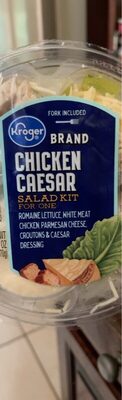
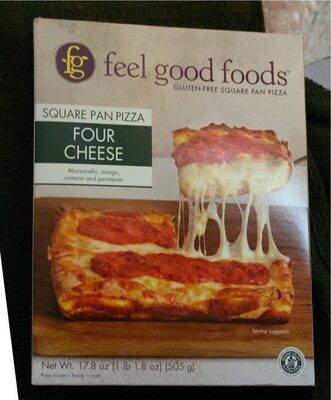
Learn more
Auto-generated content. This description was generated automatically and is pending editorial review. Inaccuracies are possible. Found a mistake? Contact us.