Roquefortii
What is Roquefortii?
Roqueforti is a type of mold (Penicillium roqueforti) used to make blue cheese. It gives blue cheese its characteristic pungent flavor and blue-green veins. The mold is typically added to milk or curd, and allowed to grow during the cheese-making process.
Is Roquefortii a major allergen?
Roqueforti itself is a mold and not one of the 9 FDA major allergens.
What is Roquefortii used for?
Roqueforti is primarily used as a starter culture in the production of blue cheeses, such as Roquefort, Gorgonzola, and Stilton.
Is Roquefortii safe?
Roqueforti is a naturally occurring mold used in food production and is not typically regulated as a food additive in the US.
Why it's used
Roqueforti is primarily used as a starter culture in the production of blue cheeses, such as Roquefort, Gorgonzola, and Stilton. It is essential for developing the unique flavor profile and appearance of these cheeses. It is found in various cheese products and foods that incorporate blue cheese.
Health notes
Roqueforti is a naturally occurring mold used in food production and is not typically regulated as a food additive in the US. The FDA generally recognizes its use in cheese as safe (GRAS). International bodies like EFSA have evaluated molds used in food production. The health effects of consuming Roqueforti are generally considered to be those associated with the consumption of blue cheese itself.
Allergen info
Roqueforti itself is a mold and not one of the 9 FDA major allergens. However, it is used to make blue cheese, which is derived from milk and therefore contains milk, an FDA major allergen.
Foods that contain Roquefortii
Compare products →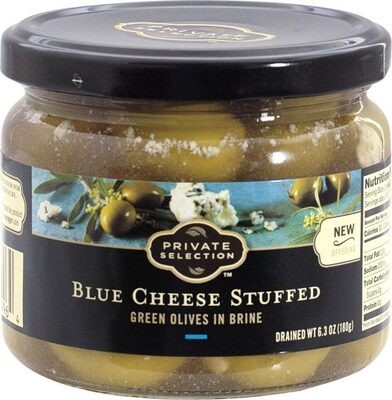
Learn more
Auto-generated content. This description was generated automatically and is pending editorial review. Inaccuracies are possible. Found a mistake? Contact us.