Rosemary Oleoresin
What is Rosemary Oleoresin?
Rosemary oleoresin is a concentrated extract derived from the leaves of the rosemary plant (Salvia rosmarinus). It is produced by solvent extraction, followed by removal of the solvent, to isolate the aromatic and antioxidant compounds.
Is Rosemary Oleoresin vegan?
Rosemary Oleoresin is not animal-derived. Products that contain it can still include other animal-derived ingredients, so check the full ingredient list.
Is Rosemary Oleoresin gluten-free?
It does not contain gluten.
Is Rosemary Oleoresin a major allergen?
Rosemary oleoresin is not derived from any of the 9 FDA major allergens.
What is Rosemary Oleoresin used for?
Manufacturers add rosemary oleoresin primarily for its antioxidant properties, which help prevent fats and oils from becoming rancid, thereby extending the shelf life of food products.
Is Rosemary Oleoresin safe?
In the U.S., rosemary oleoresin is generally recognized as safe (GRAS) by the FDA for use as a flavoring and antioxidant.
Why it's used
Manufacturers add rosemary oleoresin primarily for its antioxidant properties, which help prevent fats and oils from becoming rancid, thereby extending the shelf life of food products. It is commonly found in processed meats, snacks, sauces, and baked goods where it also contributes a subtle herbal flavor.
Health notes
In the U.S., rosemary oleoresin is generally recognized as safe (GRAS) by the FDA for use as a flavoring and antioxidant. Scientific bodies like the European Food Safety Authority (EFSA) have evaluated rosemary extracts, recognizing their antioxidant function. Research suggests that compounds in rosemary may have antioxidant and anti-inflammatory effects, though more studies are needed to confirm these benefits at typical dietary intake levels.
Allergen info
Rosemary oleoresin is not derived from any of the 9 FDA major allergens. It does not contain gluten.
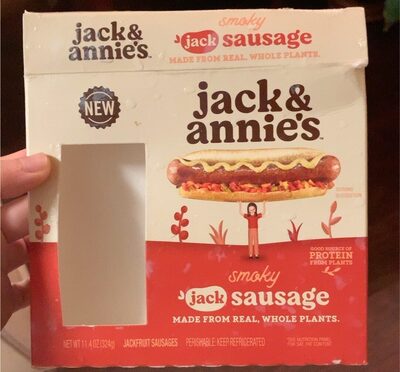
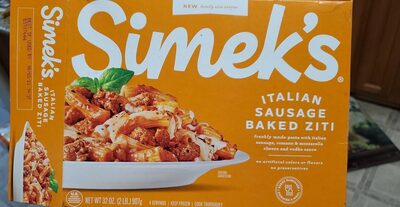
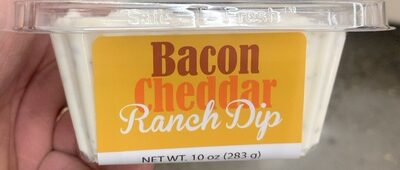
Foods that contain Rosemary Oleoresin
Compare products →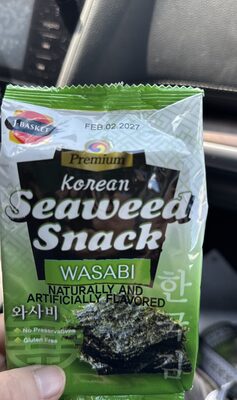
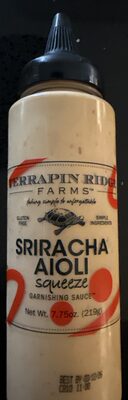

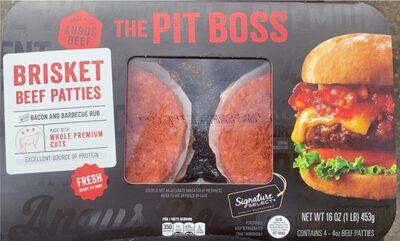
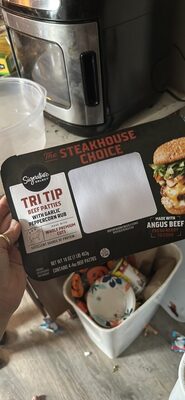
Learn more
Auto-generated content. This description was generated automatically and is pending editorial review. Inaccuracies are possible. Found a mistake? Contact us.