Rye Flour
Auto-generated content. This description was generated automatically and is pending editorial review. Inaccuracies are possible. Found a mistake? Contact us.
What it is
Rye flour is made from ground rye grain. It is a whole grain flour that contains the bran, germ, and endosperm of the rye kernel. Rye flour has a distinct, slightly sour flavor and a darker color than wheat flour.
Why it's used
Rye flour is used as a primary flour or in combination with wheat flour to add flavor, color, and texture to baked goods. It is commonly found in breads, particularly rye bread, as well as crackers, muffins, and some pastries. Its gluten content is lower than wheat, affecting dough structure.
Health notes
Rye flour is considered a whole grain and is a source of dietary fiber and certain nutrients. The FDA recognizes rye as Generally Recognized As Safe (GRAS). Regulatory bodies like EFSA have evaluated rye and its components. While generally considered safe, some individuals may experience digestive discomfort with high fiber intake.
Allergen info
Rye is not one of the nine major allergens recognized by the FDA. However, rye contains gluten, which is a concern for individuals with celiac disease or gluten sensitivity.
Products containing Rye Flour
Compare products →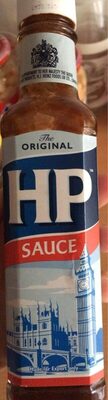 HP SAUCE
Sauce
124kcal
0.9Protein
0.1Fat
28.3Carbs
CHICAGO AMERICAN
Crisps N' Twists Snack Mix
464kcal
10.7Protein
16.1Fat
71.4Carbs
CHICAGO AMERICAN
Crisps N' Twists Bold Snack Mix
464kcal
7.1Protein
17.9Fat
64.3Carbs
SONKO
Crisp Bread Wholemeal
377kcal
18.9Protein
0Fat
75.5Carbs
HP SAUCE
Sauce
124kcal
0.9Protein
0.1Fat
28.3Carbs
CHICAGO AMERICAN
Crisps N' Twists Snack Mix
464kcal
10.7Protein
16.1Fat
71.4Carbs
CHICAGO AMERICAN
Crisps N' Twists Bold Snack Mix
464kcal
7.1Protein
17.9Fat
64.3Carbs
SONKO
Crisp Bread Wholemeal
377kcal
18.9Protein
0Fat
75.5Carbs