Salt And Stabilizers
What is Salt And Stabilizers?
Salt is a mineral composed primarily of sodium chloride. It is mined from underground deposits or evaporated from seawater. Stabilizers are ingredients that help maintain the texture and consistency of foods, preventing separation or changes over time.
Is Salt And Stabilizers gluten-free?
Gluten is not typically present unless a stabilizer is derived from a gluten-containing source, which is uncommon.
Is Salt And Stabilizers a major allergen?
Salt is not a major allergen.
What is Salt And Stabilizers used for?
Salt is used to enhance flavor and as a preservative.
Is Salt And Stabilizers safe?
The FDA sets the Daily Value for sodium at 2,300 mg per day.
Why it's used
Salt is used to enhance flavor and as a preservative. Stabilizers, often gums or starches, are added to improve texture, prevent ingredients from separating, and maintain a smooth consistency in products like sauces, dressings, and frozen foods.
Health notes
The FDA sets the Daily Value for sodium at 2,300 mg per day. High sodium intake is linked to increased blood pressure in some individuals. Stabilizers are generally recognized as safe (GRAS) by the FDA. International bodies like JECFA and EFSA have evaluated many specific stabilizer ingredients, but a general evaluation of 'stabilizers' is not applicable. Evidence does not suggest adverse health effects from typical intakes of approved stabilizers.
Allergen info
Salt is not a major allergen. Stabilizers are typically derived from plant sources like seaweed, corn, or beans, and are not among the major allergens. Gluten is not typically present unless a stabilizer is derived from a gluten-containing source, which is uncommon.
Foods that contain Salt And Stabilizers
Compare products →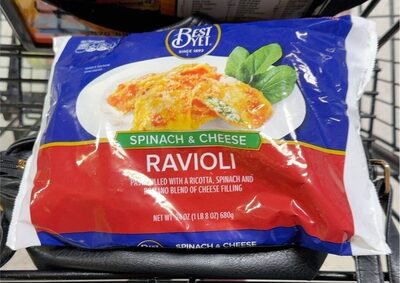 S. M. Flickinger Co., Inc.
Spinach & Cheese Ravioli, Spinach & Cheese
182kcal
8.2Protein
3.6Fat
29.1Carbs
S. M. Flickinger Co., Inc.
Spinach & Cheese Ravioli, Spinach & Cheese
182kcal
8.2Protein
3.6Fat
29.1Carbs
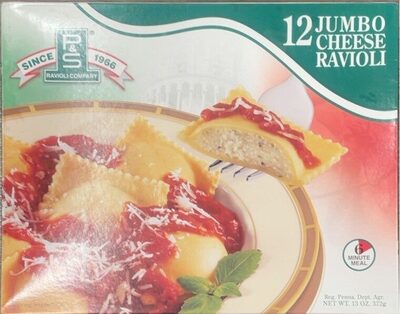 P & S Ravioli Co.
Jumbo Cheese Ravioli, Cheese
High in saturated fat — 30% DV per serving
258kcal
12.9Protein
10.8Fat
26.9Carbs
New York Ravioli and Pasta Co., Inc.
Jumbo Round Ravioli, Goat Cheese & Herb
High in saturated fat — 40% DV per serving
205kcal
9.9Protein
9.3Fat
23.2Carbs
P & S Ravioli Co.
Jumbo Cheese Ravioli, Cheese
High in saturated fat — 30% DV per serving
258kcal
12.9Protein
10.8Fat
26.9Carbs
New York Ravioli and Pasta Co., Inc.
Jumbo Round Ravioli, Goat Cheese & Herb
High in saturated fat — 40% DV per serving
205kcal
9.9Protein
9.3Fat
23.2Carbs
Auto-generated content. This description was generated automatically and is pending editorial review. Inaccuracies are possible. Found a mistake? Contact us.