Salt Disodium Phosphate
Auto-generated content. This description was generated automatically and is pending editorial review. Inaccuracies are possible. Found a mistake? Contact us.
What it is
Disodium phosphate is a salt made from phosphoric acid and sodium. It is often produced industrially by reacting phosphoric acid with a sodium base. It appears as a white powder and is soluble in water.
Why it's used
Disodium phosphate is used in processed foods as an acidity regulator, emulsifier, and to improve texture. It helps prevent clumping, stabilize ingredients, and retain moisture. It is commonly found in cheese products, powdered beverages, and processed meats.
Health notes
Disodium phosphate is generally recognized as safe (GRAS) by the FDA for use in food. It is a source of phosphorus, an essential mineral. High intake of phosphates, especially from processed foods, has been linked in some studies to potential negative health effects, but evidence is mixed and more research is needed. JECFA and EFSA have evaluated phosphates and set acceptable intake levels.
Allergen info
Disodium phosphate is not derived from any of the nine FDA major allergens. It does not contain gluten.
Products containing Salt Disodium Phosphate
Compare products →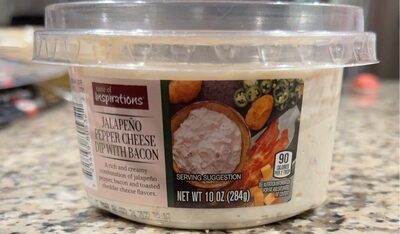 Delhaize America, Inc.
Jalapeno Pepper Cheese Dip With Bacon, Jalapeno Pepper Cheese With Bacon
300kcal
6.7Protein
26.7Fat
6.7Carbs
Meijer, Inc.
5 O'Clock Somewhere Cajun Flavored Peanuts, Sesame Cheese Sticks, Cheddar Whales, Mini Pretzels And Rye Chips Snack Mix, 5 O'Clock Somewhere
533kcal
13.3Protein
30Fat
50Carbs
Delhaize America, Inc.
Jalapeno Pepper Cheese Dip With Bacon, Jalapeno Pepper Cheese With Bacon
300kcal
6.7Protein
26.7Fat
6.7Carbs
Meijer, Inc.
5 O'Clock Somewhere Cajun Flavored Peanuts, Sesame Cheese Sticks, Cheddar Whales, Mini Pretzels And Rye Chips Snack Mix, 5 O'Clock Somewhere
533kcal
13.3Protein
30Fat
50Carbs