Salt Distilled Vinegar
Auto-generated content. This description was generated automatically and is pending editorial review. Inaccuracies are possible. Found a mistake? Contact us.
What it is
Salt distilled vinegar is a common name for acetic acid, the primary component of vinegar. It is produced through the fermentation of ethanol by acetic acid bacteria. The resulting liquid is then purified and concentrated to create a food-grade acid.
Why it's used
Manufacturers add distilled vinegar for its acidity, which acts as a preservative and flavor enhancer. It is also used to adjust the pH of foods. It is commonly found in pickles, olives, salad dressings, and relishes.
Health notes
Distilled vinegar is generally recognized as safe (GRAS) by the FDA for use in food. Acetic acid is a natural component of many foods and is metabolized by the body. International bodies like JECFA and EFSA have evaluated acetic acid and its salts. While generally considered safe, concentrated forms can be irritating.
Allergen info
Distilled vinegar is not derived from any of the 9 FDA major allergens. It does not contain gluten.
Products containing Salt Distilled Vinegar
Compare products →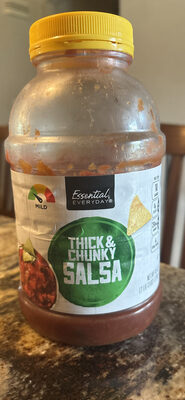 Supervalu, Inc.
Thick& Chunky Salsa, Thick & Chunky
32kcal
0Protein
0Fat
6.5Carbs
Wal-Mart Stores, Inc.
French Fry Dipping Sauce, French Fry
286kcal
0Protein
28.6Fat
7.1Carbs
Canteen
Fajita Chicken Enchilada Bake, Fajita Chicken
High in sodium — 46% DV per serving
74kcal
9.8Protein
3.7Fat
18.6Carbs
Supervalu, Inc.
Thick& Chunky Salsa, Thick & Chunky
32kcal
0Protein
0Fat
6.5Carbs
Wal-Mart Stores, Inc.
French Fry Dipping Sauce, French Fry
286kcal
0Protein
28.6Fat
7.1Carbs
Canteen
Fajita Chicken Enchilada Bake, Fajita Chicken
High in sodium — 46% DV per serving
74kcal
9.8Protein
3.7Fat
18.6Carbs