Salt Replacer
What is Salt Replacer?
Salt replacers are substances used to reduce the sodium content in foods while aiming to maintain a salty taste. They often contain potassium chloride, which can have a slightly bitter or metallic aftertaste. Some salt replacers also include other minerals like magnesium or calcium salts to improve flavor.
Is Salt Replacer vegan?
Salt Replacer is not animal-derived. Products that contain it can still include other animal-derived ingredients, so check the full ingredient list.
Is Salt Replacer gluten-free?
Salt replacers are not derived from any of the nine major allergens and do not contain gluten.
What is Salt Replacer used for?
Manufacturers use salt replacers to lower the sodium content of processed foods, such as frozen meals, soups, and snacks, to meet consumer demand for lower-sodium options.
Is Salt Replacer safe?
Salt replacers, particularly those based on potassium chloride, are generally recognized as safe (GRAS) by the FDA for use in food.
Why it's used
Manufacturers use salt replacers to lower the sodium content of processed foods, such as frozen meals, soups, and snacks, to meet consumer demand for lower-sodium options. They can also be used in seasonings and spice blends. The goal is to provide a salty flavor without the high sodium levels of traditional salt (sodium chloride).
Health notes
Salt replacers, particularly those based on potassium chloride, are generally recognized as safe (GRAS) by the FDA for use in food. However, individuals with certain medical conditions, such as kidney disease or those taking specific medications, should consult a doctor before consuming large amounts of potassium chloride. JECFA has evaluated potassium chloride and established an acceptable daily intake. Evidence does not suggest adverse health effects from typical dietary intake.
Allergen info
Salt replacers are not derived from any of the nine major allergens and do not contain gluten.
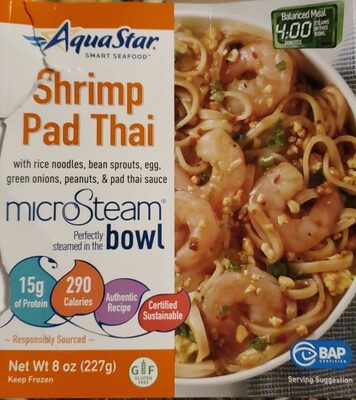
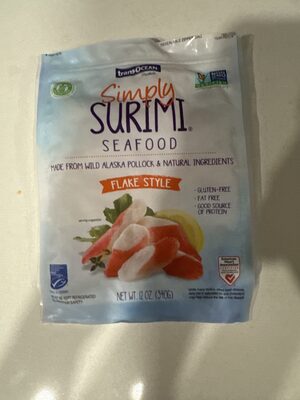
Foods that contain Salt Replacer
Compare products →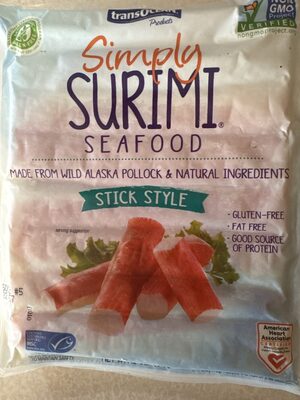
Auto-generated content. This description was generated automatically and is pending editorial review. Inaccuracies are possible. Found a mistake? Contact us.