Salt Yeast
What is Salt Yeast?
The term "salt yeast" typically refers to yeast extract, a savory flavoring ingredient derived from common baker's or brewer's yeast. It is produced by breaking down yeast cells, which releases their natural flavor compounds, often resulting in a salty taste.
Is Salt Yeast vegan?
Salt Yeast is not animal-derived. Products that contain it can still include other animal-derived ingredients, so check the full ingredient list.
Is Salt Yeast a major allergen?
Not a major allergen.
What is Salt Yeast used for?
This ingredient is mainly used as a flavor enhancer to add a savory, umami taste to various foods.
Is Salt Yeast safe?
Yeast extract is generally recognized as safe (GRAS) by the FDA.
Why it's used
This ingredient is mainly used as a flavor enhancer to add a savory, umami taste to various foods. It can be found in items like soups, sauces, snack foods, processed meats, and vegetarian dishes. In baked goods like breads and pizzas, it may contribute to flavor depth.
Health notes
Yeast extract is generally recognized as safe (GRAS) by the FDA. It naturally contains glutamates, which contribute to its savory flavor, and is also a source of sodium. JECFA has evaluated yeast extract and determined that an acceptable daily intake (ADI) was not specified, indicating it is considered safe at typical consumption levels. Excessive sodium intake, from all sources including yeast extract, is associated with increased blood pressure.
Allergen info
Not a major allergen.
Foods that contain Salt Yeast
Compare products →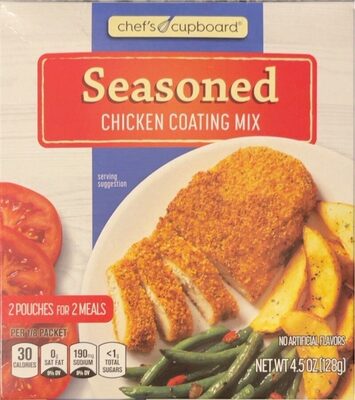
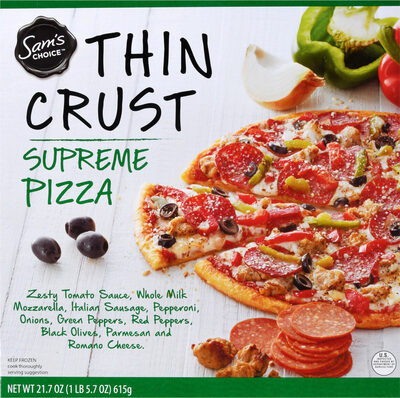
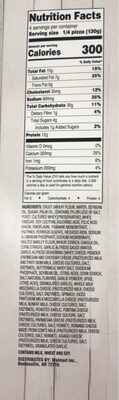
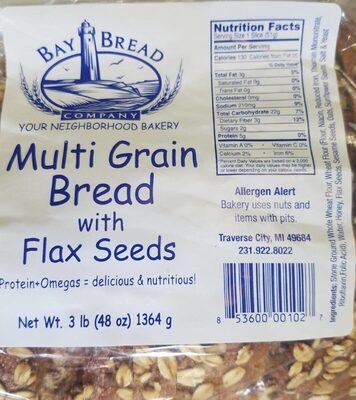

Learn more
Auto-generated content. This description was generated automatically and is pending editorial review. Inaccuracies are possible. Found a mistake? Contact us.