Salts
What is Salts?
Salts are chemical compounds formed when an acid and a base react. They are found naturally as minerals in the earth and in seawater, and can also be produced through chemical processes. The most common salt is sodium chloride, often obtained by evaporating seawater or mining underground deposits.
Is Salts vegan?
Salts is not animal-derived. Products that contain it can still include other animal-derived ingredients, so check the full ingredient list.
Is Salts a major allergen?
Not a major allergen.
What is Salts used for?
Salts serve multiple purposes in food manufacturing, primarily as flavor enhancers, especially sodium chloride.
Is Salts safe?
Many specific salts, including sodium chloride, are generally recognized as safe (GRAS) by the FDA.
Why it's used
Salts serve multiple purposes in food manufacturing, primarily as flavor enhancers, especially sodium chloride. They also act as preservatives by inhibiting microbial growth, as leavening agents (e.g., baking soda), and as acidity regulators. They are found in a wide range of products, including processed foods, baked goods, beverages, and seasonings.
Health notes
Many specific salts, including sodium chloride, are generally recognized as safe (GRAS) by the FDA. High intake of sodium, primarily from sodium chloride, is a public health concern due to its association with high blood pressure. The FDA Daily Value for sodium is 2,300 mg. International bodies like JECFA and EFSA have evaluated numerous specific salts, with many having established acceptable daily intakes or being deemed safe for use. There is ongoing public health discussion regarding strategies to reduce sodium intake in the food supply.
Allergen info
Not a major allergen.
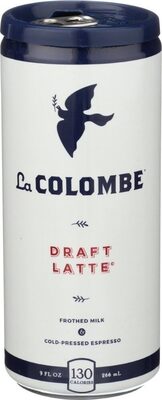
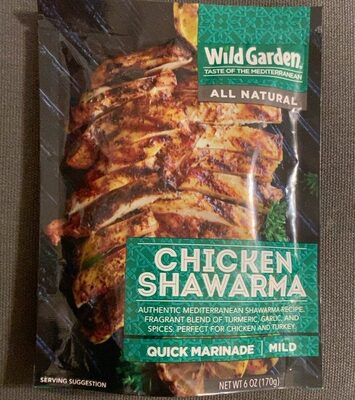
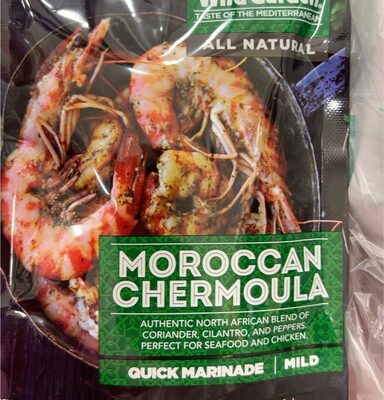
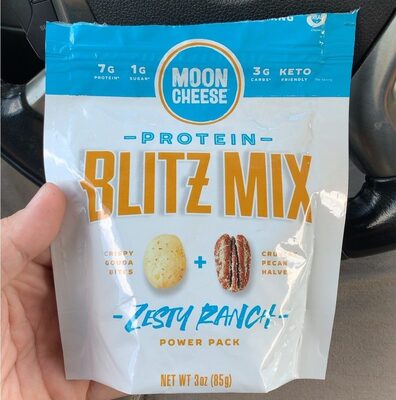
Foods that contain Salts
Compare products →

Auto-generated content. This description was generated automatically and is pending editorial review. Inaccuracies are possible. Found a mistake? Contact us.