Seed
What is Seed?
A seed is the part of a plant from which a new plant can grow. Many seeds are edible and are consumed whole or processed into oils, flours, or other ingredients. Common edible seeds include sunflower, pumpkin, chia, flax, and sesame seeds.
Is Seed vegan?
Seed is not animal-derived. Products that contain it can still include other animal-derived ingredients, so check the full ingredient list.
Is Seed a major allergen?
Sesame is one of the 9 FDA major allergens.
What is Seed used for?
Seeds are used in a variety of foods for their nutritional content, texture, and flavor.
Is Seed safe?
Seeds are a source of fiber, healthy fats, and protein.
Why it's used
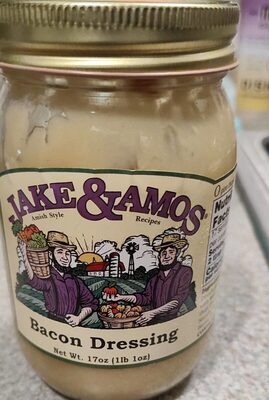
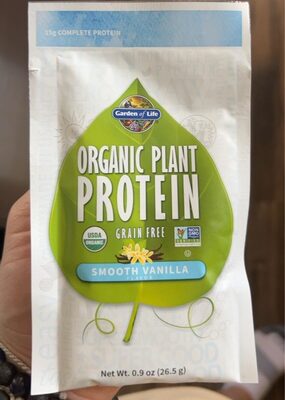
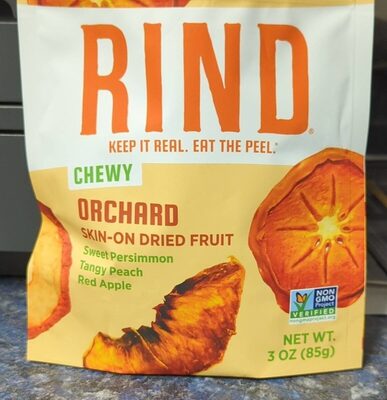
Seeds are used in a variety of foods for their nutritional content, texture, and flavor. They can be added to baked goods, cereals, salads, and snacks. Seeds are also processed into oils, butters, and milks, and are often found in energy bars and protein powders.
Health notes
Seeds are a source of fiber, healthy fats, and protein. The U.S. Food and Drug Administration (FDA) generally recognizes many common edible seeds as safe (GRAS) when used as food ingredients. International bodies like the Joint FAO/WHO Expert Committee on Food Additives (JECFA) and the European Food Safety Authority (EFSA) have evaluated various seed-derived products, often establishing acceptable daily intake levels or determining they pose no safety concern at estimated intake levels. Research suggests that regular consumption of seeds, as part of a balanced diet, may be associated with various health benefits, though more research is ongoing.
Allergen info
Sesame is one of the 9 FDA major allergens. Some seeds may also be processed in facilities that handle major allergens, posing a risk of cross-contamination.
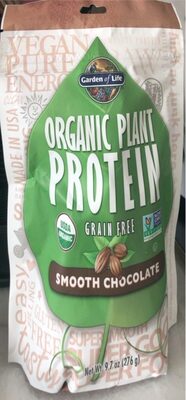
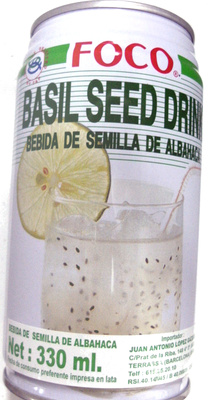
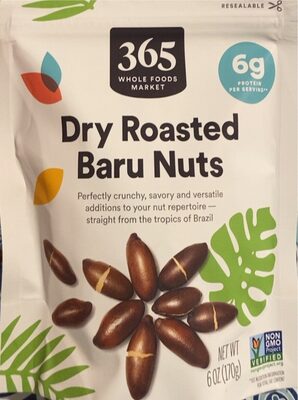
Foods that contain Seed
Compare products →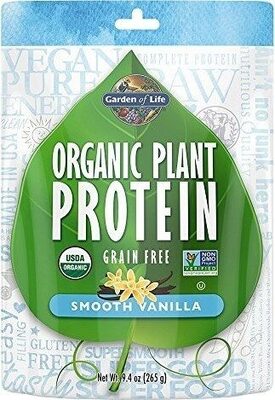
Auto-generated content. This description was generated automatically and is pending editorial review. Inaccuracies are possible. Found a mistake? Contact us.