Sheep Cheese
What is Sheep Cheese?
Sheep cheese is a dairy product made from the milk of sheep. It can range in texture from soft and spreadable to hard and crumbly, and its flavor can vary from mild to sharp and tangy depending on the aging process. It is produced worldwide and is a staple in many cuisines, particularly in the Mediterranean region.
Is Sheep Cheese vegan?
No. Sheep Cheese is animal-derived, so it is not vegan.
Is Sheep Cheese gluten-free?
It is not a source of gluten.
Is Sheep Cheese a major allergen?
Sheep cheese is derived from sheep's milk, which is a major allergen.
What is Sheep Cheese used for?
Sheep cheese is used as a flavorful ingredient in a variety of dishes.
Is Sheep Cheese safe?
Sheep cheese is a natural food product and is generally recognized as safe for consumption.
Why it's used
Sheep cheese is used as a flavorful ingredient in a variety of dishes. It can be eaten on its own, used in salads, or incorporated into baked goods like cookies and biscuits. Its rich taste also makes it a popular choice for appetizers and as a topping for pizzas and pasta.
Health notes
Sheep cheese is a natural food product and is generally recognized as safe for consumption. It is a source of protein, calcium, and other nutrients. While generally considered healthy as part of a balanced diet, individuals with lactose intolerance or dairy allergies should consume it with caution. Regulatory bodies like the FDA do not typically set specific limits for natural dairy products like cheese.
Allergen info
Sheep cheese is derived from sheep's milk, which is a major allergen. It is not a source of gluten.
Foods that contain Sheep Cheese
Compare products →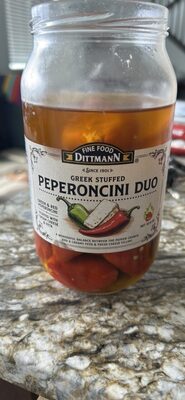 Fine Food Dittmann, Inc.
Greek Green & Red Peperoncini Stuffed With Cream Cheese & Feta, Greek Green & Red Peperoncini
High in sodium — 34% DV per serving
High in saturated fat — 35% DV per serving
158kcal
5.9Protein
12.9Fat
5.9Carbs
Fairfax Country Market & Greenhouse
Okina, Artisan Biscuits With Cheese
High in saturated fat — 23% DV per serving
515kcal
14.4Protein
28Fat
50.8Carbs
Wegmans Food Markets, Inc.
Greek Style With Eggplant, Zucchini, Onion, Red Bell Pepper, & Black Olives In An Olive Oil Sauce Vegetable Blends, Greek Style
73kcal
2.7Protein
4.1Fat
7.3Carbs
Fine Food Dittmann, Inc.
Greek Green & Red Peperoncini Stuffed With Cream Cheese & Feta, Greek Green & Red Peperoncini
High in sodium — 34% DV per serving
High in saturated fat — 35% DV per serving
158kcal
5.9Protein
12.9Fat
5.9Carbs
Fairfax Country Market & Greenhouse
Okina, Artisan Biscuits With Cheese
High in saturated fat — 23% DV per serving
515kcal
14.4Protein
28Fat
50.8Carbs
Wegmans Food Markets, Inc.
Greek Style With Eggplant, Zucchini, Onion, Red Bell Pepper, & Black Olives In An Olive Oil Sauce Vegetable Blends, Greek Style
73kcal
2.7Protein
4.1Fat
7.3Carbs
Learn more
Auto-generated content. This description was generated automatically and is pending editorial review. Inaccuracies are possible. Found a mistake? Contact us.