Shelled Edamame Soybeans
What is Shelled Edamame Soybeans?
Shelled edamame soybeans are young soybeans that have been removed from their pods. They are a whole, immature soybean, typically green in color, and have a slightly sweet, nutty flavor. Edamame is harvested before the soybean matures and hardens.
Is Shelled Edamame Soybeans vegan?
Shelled Edamame Soybeans is not animal-derived. Products that contain it can still include other animal-derived ingredients, so check the full ingredient list.
Is Shelled Edamame Soybeans a major allergen?
Soybeans are one of the nine FDA major allergens.
What is Shelled Edamame Soybeans used for?
Manufacturers add shelled edamame to foods as a source of plant-based protein and fiber.
Is Shelled Edamame Soybeans safe?
Shelled edamame is generally recognized as safe (GRAS) by the FDA.
Why it's used
Manufacturers add shelled edamame to foods as a source of plant-based protein and fiber. It is often found in frozen vegetable mixes, salads, stir-fries, and prepared meals, adding texture and nutritional value.
Health notes
Shelled edamame is generally recognized as safe (GRAS) by the FDA. It is a nutrient-dense food, providing protein, fiber, vitamins, and minerals. International bodies like JECFA have evaluated soybeans and their components. Soybeans are a common food source globally, and their consumption is associated with various health outcomes in peer-reviewed research.
Allergen info
Soybeans are one of the nine FDA major allergens. Edamame is derived from soybeans, so it is considered a major allergen.
Foods that contain Shelled Edamame Soybeans
Compare products →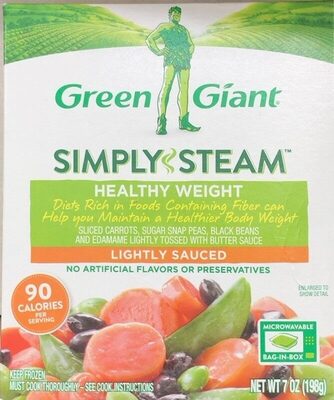 General Mills, Inc.
Lightly Sauced Healthy Weight Sliced Carrots, Sugar Snap Peas, Black Beans And Edamame Lightly Tossed With Butter Sauce, Lightly Sauced
82kcal
4.5Protein
1.8Fat
11.8Carbs
General Mills, Inc.
Lightly Sauced Healthy Weight Sliced Carrots, Sugar Snap Peas, Black Beans And Edamame Lightly Tossed With Butter Sauce, Lightly Sauced
82kcal
4.5Protein
1.8Fat
11.8Carbs
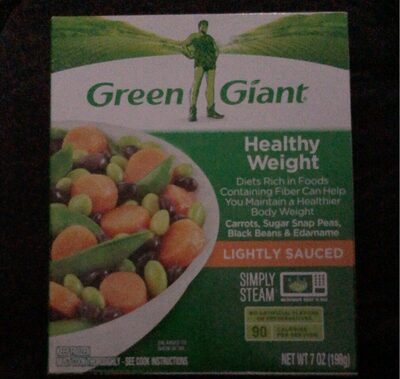 B&G Foods North America, Inc.
Healthy Weight Carrots, Sugar Snap Peas, Black Beans & Edamame, Healthy Weight
82kcal
4.5Protein
2.3Fat
11.8Carbs
Safeway, Inc.
Orange Chicken Battered White Meat Chicken With A Spicy Orange Sauce Served With Fried Rice, Sweet Orange & Yellow Carrots And Savory Shelled Edamame, Orange Chicken
High in sodium — 30% DV per serving
High in added sugars — 34% DV per serving
169kcal
6.7Protein
5.6Fat
23.6Carbs
B&G Foods North America, Inc.
Healthy Weight Carrots, Sugar Snap Peas, Black Beans & Edamame, Healthy Weight
82kcal
4.5Protein
2.3Fat
11.8Carbs
Safeway, Inc.
Orange Chicken Battered White Meat Chicken With A Spicy Orange Sauce Served With Fried Rice, Sweet Orange & Yellow Carrots And Savory Shelled Edamame, Orange Chicken
High in sodium — 30% DV per serving
High in added sugars — 34% DV per serving
169kcal
6.7Protein
5.6Fat
23.6Carbs
Learn more
Auto-generated content. This description was generated automatically and is pending editorial review. Inaccuracies are possible. Found a mistake? Contact us.