Shortening Flake
What is Shortening Flake?
Shortening flake is a type of fat, typically made from vegetable oils like soybean or palm oil. It is processed to have a flaky texture, often by chilling and flaking solidified oil.
Is Shortening Flake vegan?
Shortening Flake is not animal-derived. Products that contain it can still include other animal-derived ingredients, so check the full ingredient list.
Is Shortening Flake gluten-free?
It is typically derived from vegetable oils and does not contain gluten.
Is Shortening Flake a major allergen?
Shortening flake is not a major allergen.
What is Shortening Flake used for?
Manufacturers add shortening flake to provide a desirable texture and mouthfeel in baked goods.
Is Shortening Flake safe?
Shortening flake is generally recognized as safe (GRAS) by the FDA for use in food.
Why it's used
Manufacturers add shortening flake to provide a desirable texture and mouthfeel in baked goods. Its flaky structure can contribute to layers in products like pizza crusts and pastries, and it adds richness.
Health notes
Shortening flake is generally recognized as safe (GRAS) by the FDA for use in food. It is a source of fat and calories. Regulatory bodies like JECFA have evaluated similar fats and oils, but specific evaluations for 'shortening flake' may vary. As with most fats, consuming large amounts can contribute to excess calorie intake.
Allergen info
Shortening flake is not a major allergen. It is typically derived from vegetable oils and does not contain gluten.
Foods that contain Shortening Flake
Compare products →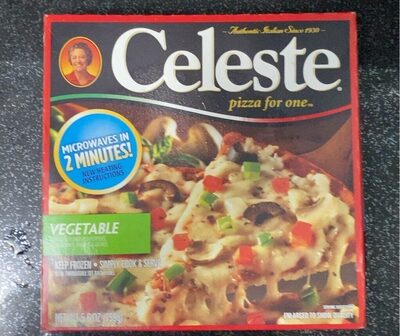
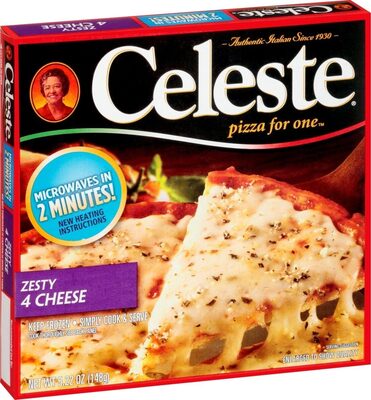
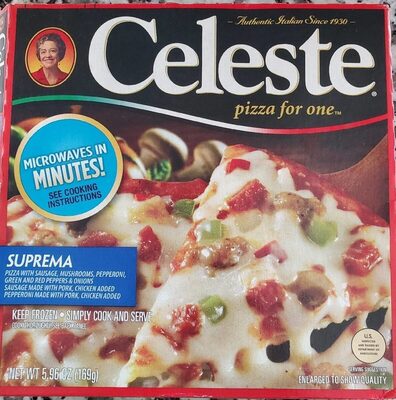
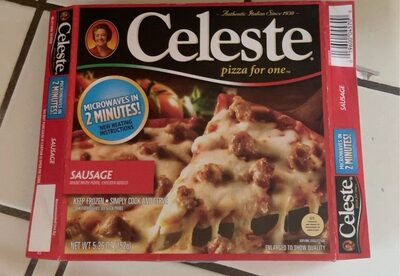
Learn more
Auto-generated content. This description was generated automatically and is pending editorial review. Inaccuracies are possible. Found a mistake? Contact us.