Shortening Oil
Auto-generated content. This description was generated automatically and is pending editorial review. Inaccuracies are possible. Found a mistake? Contact us.
What it is
Shortening oil is a solid or semi-solid fat, typically made from vegetable oils like soybean, canola, or palm oil. It is processed through hydrogenation, a method that adds hydrogen to liquid oils to make them more solid at room temperature. This process also increases the oil's stability and shelf life.
Why it's used
Manufacturers use shortening oil for its ability to create tender and flaky baked goods, such as cakes, cookies, and pastries. Its solid fat structure helps trap air, contributing to leavening, and it prevents gluten development, resulting in a softer texture. It is commonly found in baked goods, fried foods, and some processed snacks.
Health notes
Shortening oil is generally recognized as safe (GRAS) by the FDA for use in food. It is a source of fat and calories. While traditional shortening contained trans fats, many modern shortenings have been reformulated to reduce or eliminate them. Regulatory bodies like JECFA have evaluated fats and oils, and their safety is monitored.
Allergen info
Shortening oil is not typically derived from major allergens. However, depending on the specific vegetable oil used (e.g., soy), it may be a concern for individuals with severe allergies. Gluten is not present in pure shortening oil.
Products containing Shortening Oil
Compare products →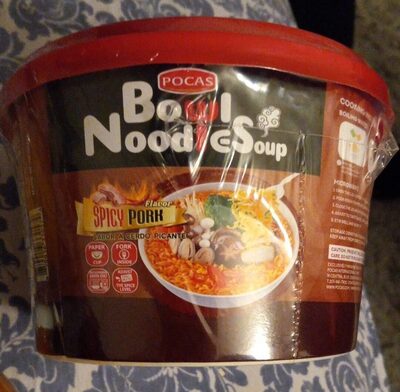 Pocas International Corp.
Spicy Pork Flavor Bowl Noodle Soup, Spicy Pork
High in sodium — 33% DV per serving
High in saturated fat — 25% DV per serving
422kcal
8.9Protein
17.8Fat
60Carbs
Pocas International Corp.
Spicy Pork Flavor Bowl Noodle Soup, Spicy Pork
High in sodium — 33% DV per serving
High in saturated fat — 25% DV per serving
422kcal
8.9Protein
17.8Fat
60Carbs
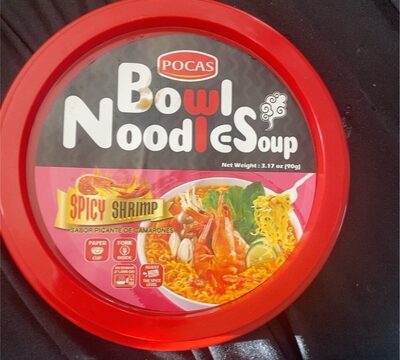 Pocas International Corp.
Spicy Shrimp Flavor Bowl Noodlesoup, Spicy Shrimp
High in sodium — 47% DV per serving
High in saturated fat — 25% DV per serving
400kcal
8.9Protein
17.8Fat
55.6Carbs
Pocas International Corp.
Spicy Shrimp Flavor Bowl Noodlesoup, Spicy Shrimp
High in sodium — 47% DV per serving
High in saturated fat — 25% DV per serving
400kcal
8.9Protein
17.8Fat
55.6Carbs
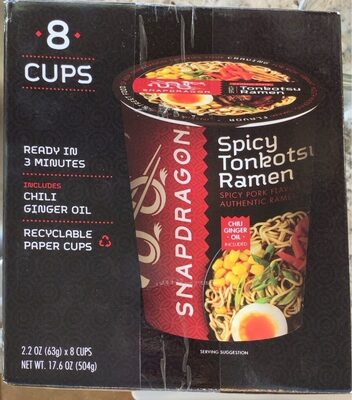 Snapdragon Foods LLC
Spicy Tonkotsu Ramen, Spicy Tonkotsu
High in sodium — 40% DV per serving
High in saturated fat — 20% DV per serving
397kcal
6.3Protein
17.5Fat
50.8Carbs
Snapdragon Foods LLC
Spicy Tonkotsu Ramen, Spicy Tonkotsu
High in sodium — 40% DV per serving
High in saturated fat — 20% DV per serving
397kcal
6.3Protein
17.5Fat
50.8Carbs
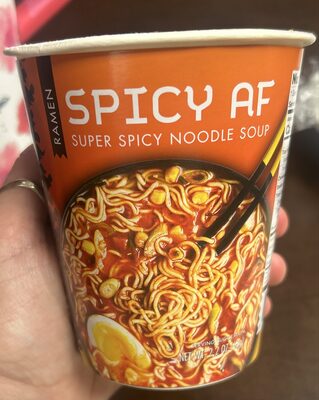 Snapdragon Foods LLC
Ramen Spicy Af Super Noodle Soup, Ramen Spicy Af
High in sodium — 53% DV per serving
High in saturated fat — 25% DV per serving
460kcal
7.9Protein
22.2Fat
54.0Carbs
Snapdragon Foods LLC
Ramen Spicy Af Super Noodle Soup, Ramen Spicy Af
High in sodium — 53% DV per serving
High in saturated fat — 25% DV per serving
460kcal
7.9Protein
22.2Fat
54.0Carbs