Smoke Powder
What is Smoke Powder?
Smoke powder is a food ingredient made by condensing the smoke from burning hardwoods. The smoke is captured, filtered, and then processed into a powder form. This allows for the smoky flavor and aroma to be easily incorporated into foods without traditional smoking methods.
Is Smoke Powder gluten-free?
It does not contain gluten.
Is Smoke Powder a major allergen?
Smoke powder is not derived from any of the nine major allergens.
What is Smoke Powder used for?
Manufacturers add smoke powder to provide a smoky flavor and aroma to a variety of foods.
Is Smoke Powder safe?
Smoke powder is generally recognized as safe (GRAS) by the FDA when used as a flavoring.
Why it's used
Manufacturers add smoke powder to provide a smoky flavor and aroma to a variety of foods. It is commonly used in processed meats like sausages and hot dogs, as well as in barbecue sauces, snacks, and seasonings. It offers a convenient way to achieve a smoked taste.
Health notes
Smoke powder is generally recognized as safe (GRAS) by the FDA when used as a flavoring. Regulatory bodies like JECFA and EFSA have evaluated smoke flavorings, but they have not set specific numerical limits for intake. Research into the long-term health effects of consuming smoke flavorings is ongoing, with some studies examining potential concerns, while others indicate safety at typical consumption levels.
Allergen info
Smoke powder is not derived from any of the nine major allergens. It does not contain gluten.
Foods that contain Smoke Powder
Compare products →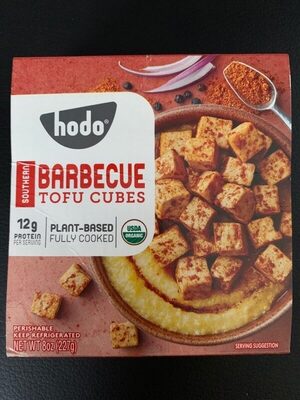
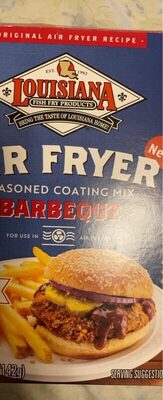
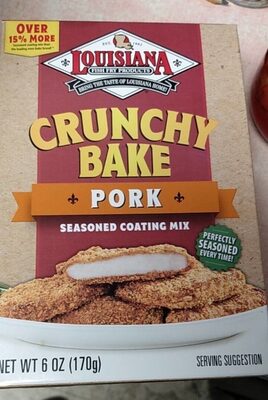
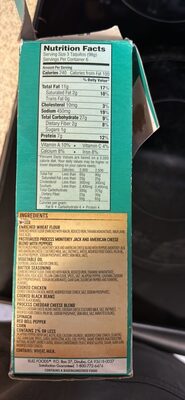
Learn more
Auto-generated content. This description was generated automatically and is pending editorial review. Inaccuracies are possible. Found a mistake? Contact us.