Smoke
What is Smoke?
Smoke is the visible vapor and particulate matter produced when a substance burns. In food, it's typically generated by burning wood, such as hickory, mesquite, or fruitwood. This process imparts a distinct smoky flavor and aroma to foods.
Is Smoke gluten-free?
Gluten is not typically associated with smoke.
Is Smoke a major allergen?
Smoke itself is not a major allergen.
What is Smoke used for?
Smoke is primarily used as a flavoring agent in processed meats, cheeses, and snacks.
Is Smoke safe?
Smoke contains various compounds, some of which have raised health concerns.
Why it's used
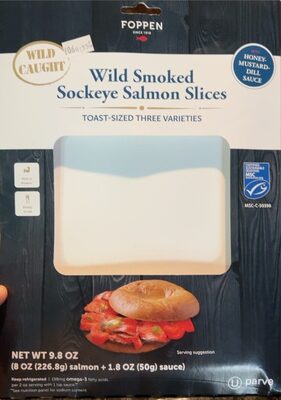
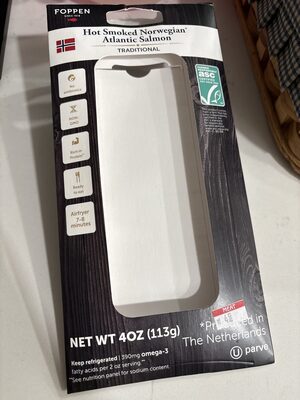
Smoke is primarily used as a flavoring agent in processed meats, cheeses, and snacks. It can also act as a preservative by inhibiting microbial growth, though this effect is less significant in modern food production. It's commonly found in products like bacon, smoked salmon, jerky, and some sauces.
Health notes
Smoke contains various compounds, some of which have raised health concerns. The International Agency for Research on Cancer (IARC) has classified wood smoke as a Group 1 carcinogen (carcinogenic to humans). However, the compounds absorbed by food during smoking are generally at much lower levels than those inhaled directly. Regulatory bodies like the FDA monitor smoke and smoke flavorings. Liquid smoke products are generally recognized as safe (GRAS) by the FDA when used as intended.
Allergen info
Smoke itself is not a major allergen. However, the source material for smoke (e.g., wood) is not one of the 9 FDA major allergens. Gluten is not typically associated with smoke.
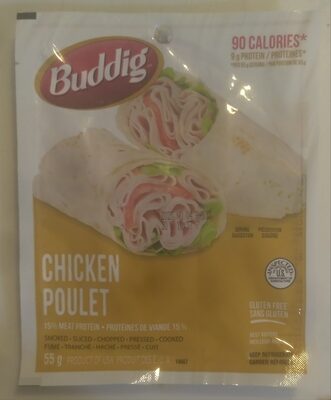
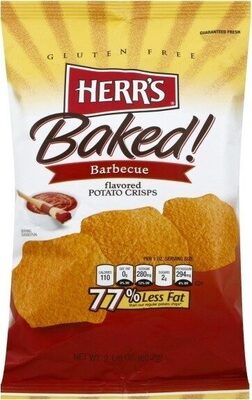
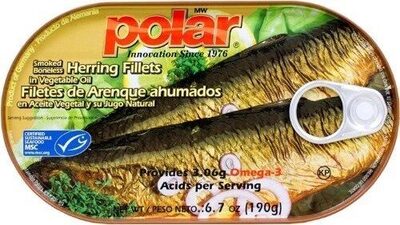
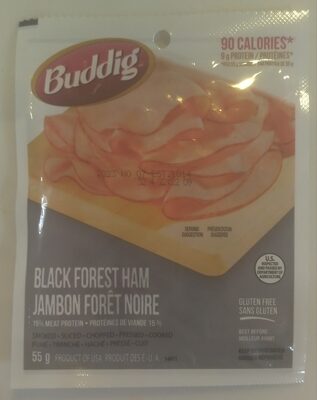
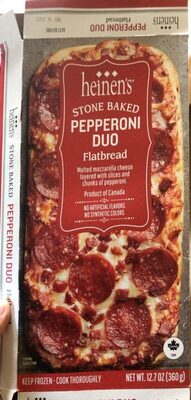
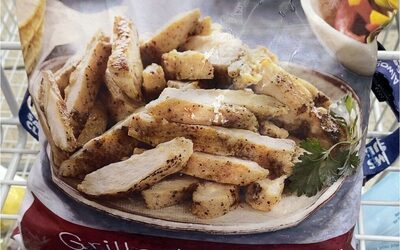
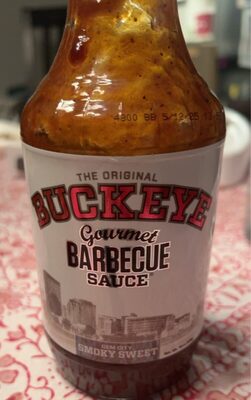
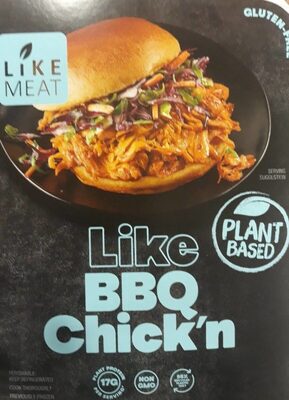
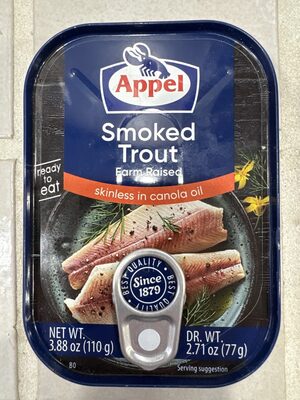
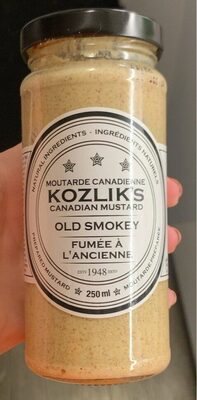
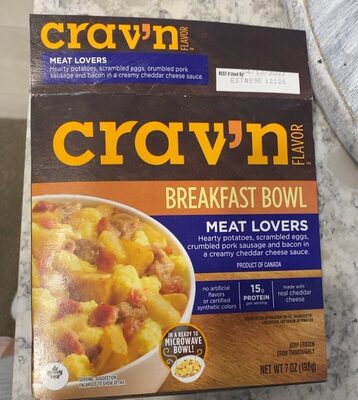
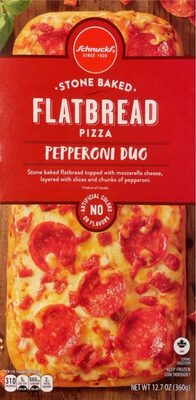
Foods that contain Smoke
Compare products →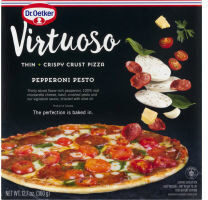




Learn more
Auto-generated content. This description was generated automatically and is pending editorial review. Inaccuracies are possible. Found a mistake? Contact us.