Smoked Oysters
What is Smoked Oysters?
Smoked oysters are small, edible mollusks that have been preserved through smoking. Oysters are typically harvested from saltwater beds and then undergo a smoking process, often using wood chips, which imparts a distinct flavor and helps preserve them.
Is Smoked Oysters vegan?
No. Smoked Oysters is animal-derived, so it is not vegan.
Is Smoked Oysters a major allergen?
Smoked oysters are a type of shellfish, which is one of the 9 major food allergens recognized by the FDA.
What is Smoked Oysters used for?
Smoked oysters are primarily used as a flavorful ingredient in various dishes.
Is Smoked Oysters safe?
Smoked oysters are a source of protein, vitamins, and minerals.
Why it's used
Smoked oysters are primarily used as a flavorful ingredient in various dishes. They are often found in canned seafood products, enjoyed on their own as a snack, or added to appetizers, salads, and pasta dishes to provide a rich, smoky taste.
Health notes
Smoked oysters are a source of protein, vitamins, and minerals. As a seafood product, they can contain sodium, especially if brined or packed in seasoned oil. The FDA regulates seafood safety, and oysters are subject to monitoring for contaminants. JECFA has evaluated smoked oysters and determined they are safe for consumption when properly prepared and stored.
Allergen info
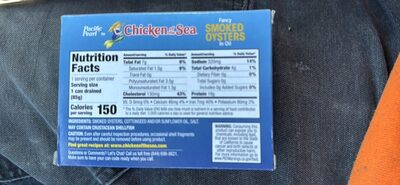
Smoked oysters are a type of shellfish, which is one of the 9 major food allergens recognized by the FDA. Individuals with shellfish allergies should avoid consuming smoked oysters.
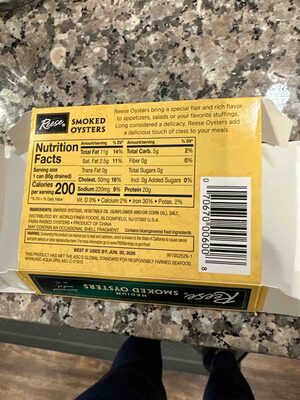
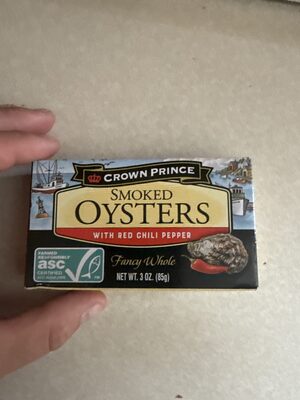
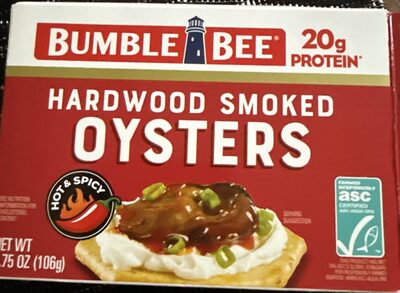
Foods that contain Smoked Oysters
Compare products →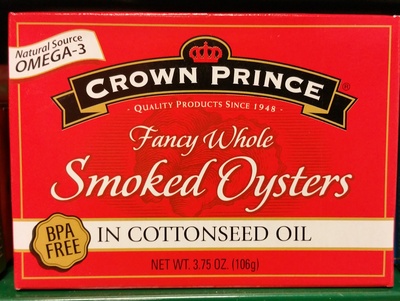

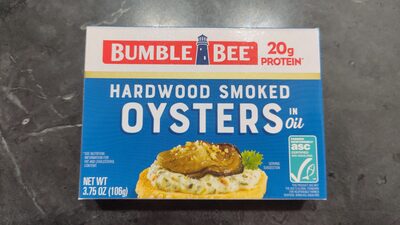
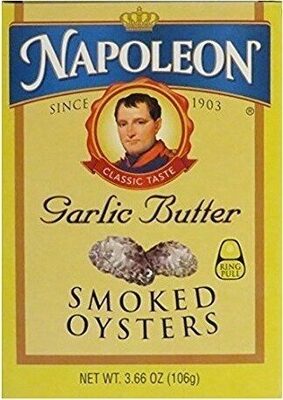
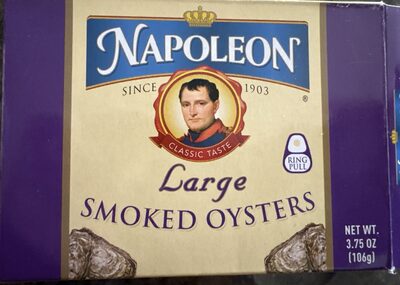
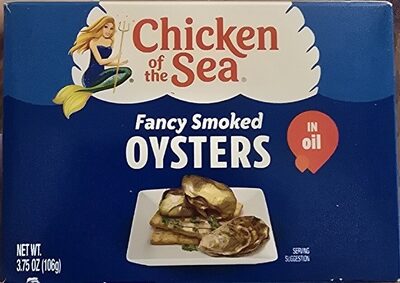
Auto-generated content. This description was generated automatically and is pending editorial review. Inaccuracies are possible. Found a mistake? Contact us.