Smoked Tavern Ham
What is Smoked Tavern Ham?
Smoked tavern ham is a type of cured and smoked pork. It is made from pork leg that has been brined, seasoned, and then smoked to give it a distinct flavor and aroma. The smoking process also helps to preserve the ham.
Is Smoked Tavern Ham vegan?
No. Smoked Tavern Ham is animal-derived, so it is not vegan.
Is Smoked Tavern Ham gluten-free?
It does not contain gluten.
Is Smoked Tavern Ham a major allergen?
Smoked tavern ham is not derived from any of the 9 major allergens.
What is Smoked Tavern Ham used for?
Manufacturers use smoked tavern ham primarily for its savory flavor and meaty texture.
Is Smoked Tavern Ham safe?
Smoked tavern ham is a source of protein and can be high in sodium.
Why it's used
Manufacturers use smoked tavern ham primarily for its savory flavor and meaty texture. It is a popular ingredient in deli meats, sandwiches, salads, and appetizers. Its ability to be sliced thinly makes it versatile for various food preparations.
Health notes
Smoked tavern ham is a source of protein and can be high in sodium. The U.S. Dietary Guidelines recommend limiting sodium intake to less than 2,300 mg per day. Some processed meats, including ham, have been linked to increased risk of certain health issues, though evidence is mixed and often related to high consumption levels. Regulatory bodies have not set specific limits for 'smoked tavern ham' itself, but general guidelines for sodium and processed meats apply.
Allergen info
Smoked tavern ham is not derived from any of the 9 major allergens. It does not contain gluten.
Foods that contain Smoked Tavern Ham
Compare products →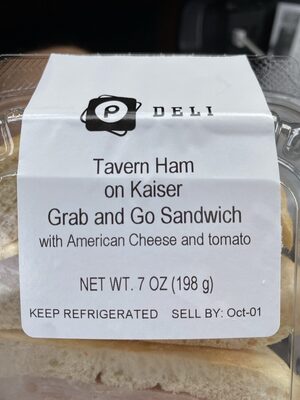 Publix Super Markets, Inc.
Tavern Ham Grab And Go Sandwich
High in sodium — 54% DV per serving
High in saturated fat — 30% DV per serving
High in cholesterol — 23% DV per serving
172kcal
12.1Protein
6.6Fat
15.7Carbs
Publix Super Markets, Inc.
Tavern Ham Grab And Go Sandwich
High in sodium — 54% DV per serving
High in saturated fat — 30% DV per serving
High in cholesterol — 23% DV per serving
172kcal
12.1Protein
6.6Fat
15.7Carbs
 Publix Super Markets, Inc.
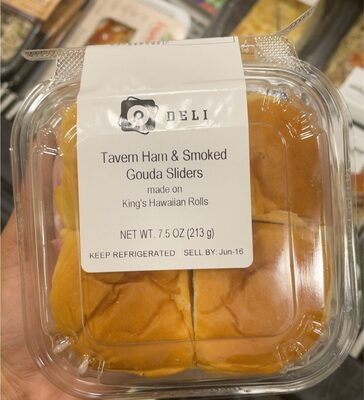
Tavern Ham & Smoked Gouda Sliders, Tavern Ham & Smoked
High in sodium — 47% DV per serving
High in saturated fat — 45% DV per serving
High in cholesterol — 38% DV per serving
244kcal
14.1Protein
8.0Fat
29.6Carbs
Publix Super Markets, Inc.
Baked Chicken Tender Cordon Bleu Sandwich, Baked Chicken Tender Cordon Bleu
High in sodium — 73% DV per serving
High in saturated fat — 45% DV per serving
High in added sugars — 22% DV per serving
High in cholesterol — 55% DV per serving
213kcal
18Protein
9.3Fat
13.3Carbs
Publix Super Markets, Inc.
Tavern Ham & Smoked Gouda Sliders, Tavern Ham & Smoked
High in sodium — 47% DV per serving
High in saturated fat — 45% DV per serving
High in cholesterol — 38% DV per serving
244kcal
14.1Protein
8.0Fat
29.6Carbs
Publix Super Markets, Inc.
Baked Chicken Tender Cordon Bleu Sandwich, Baked Chicken Tender Cordon Bleu
High in sodium — 73% DV per serving
High in saturated fat — 45% DV per serving
High in added sugars — 22% DV per serving
High in cholesterol — 55% DV per serving
213kcal
18Protein
9.3Fat
13.3Carbs
Learn more
Auto-generated content. This description was generated automatically and is pending editorial review. Inaccuracies are possible. Found a mistake? Contact us.