Snow Crab
What is Snow Crab?
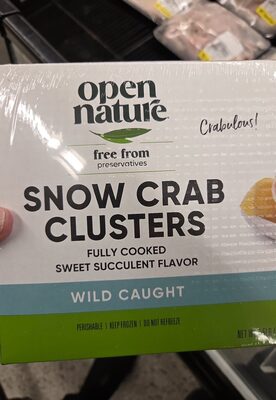
Snow crab is a species of crab found in the cold waters of the North Atlantic and North Pacific oceans. It is a popular seafood choice, known for its sweet, delicate meat. The crab is typically harvested and then processed for sale, often sold as clusters or legs.
Is Snow Crab vegan?
No. Snow Crab is animal-derived, so it is not vegan.
Is Snow Crab a major allergen?
Snow crab is a type of shellfish, which is one of the 9 major allergens recognized by the FDA.
What is Snow Crab used for?
Snow crab is primarily used as a food ingredient, valued for its distinct flavor and texture.
Is Snow Crab safe?
Snow crab is a natural food product and is not an additive requiring FDA approval.
Why it's used
Snow crab is primarily used as a food ingredient, valued for its distinct flavor and texture. It is most commonly found in seafood dishes, such as crab cakes, salads, and pasta dishes. It can also be enjoyed on its own, often steamed or boiled.
Health notes
Snow crab is a natural food product and is not an additive requiring FDA approval. It is a good source of protein and omega-3 fatty acids. While generally considered safe for consumption, individuals with shellfish allergies should avoid it. International bodies like JECFA have evaluated various seafood products, but specific evaluations for snow crab are not widely publicized.
Allergen info
Snow crab is a type of shellfish, which is one of the 9 major allergens recognized by the FDA. Individuals with shellfish allergies should exercise caution.
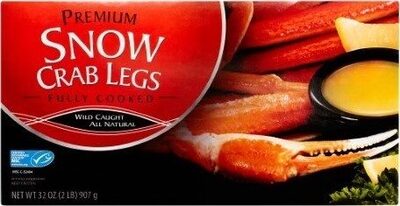
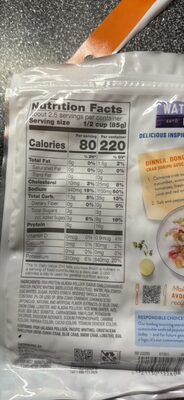
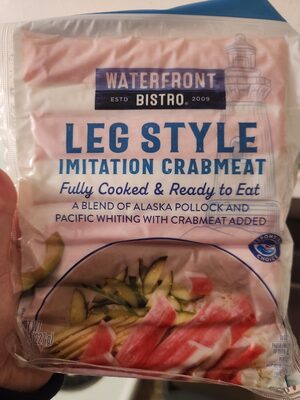
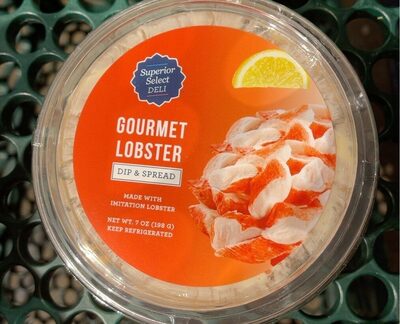
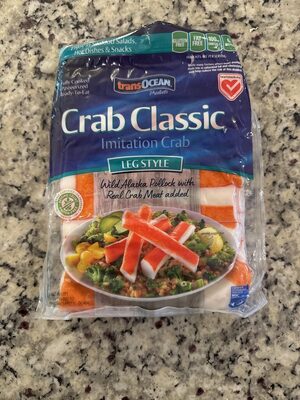
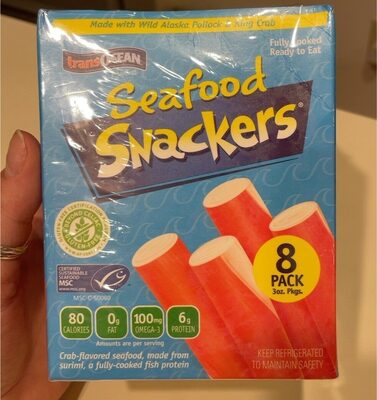
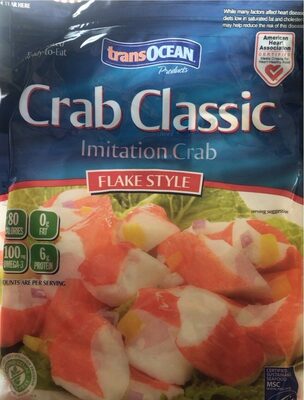
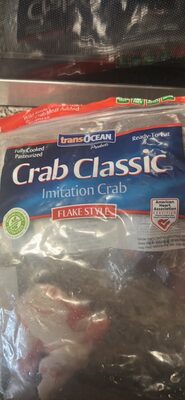
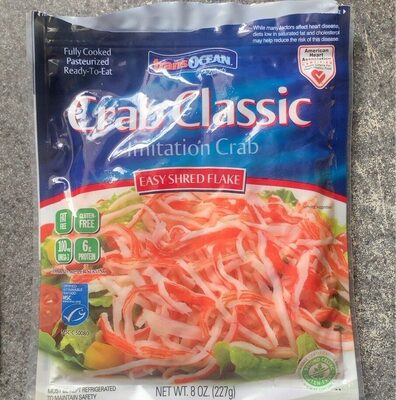
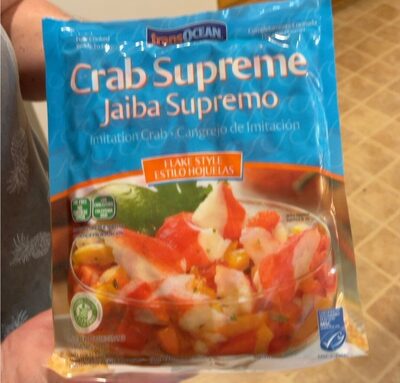
Foods that contain Snow Crab
Compare products →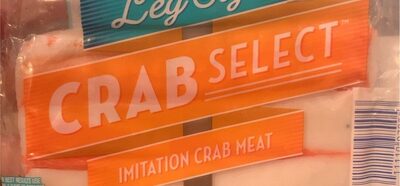
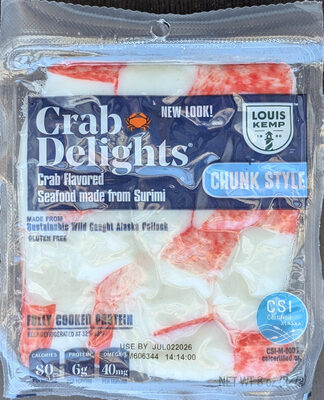
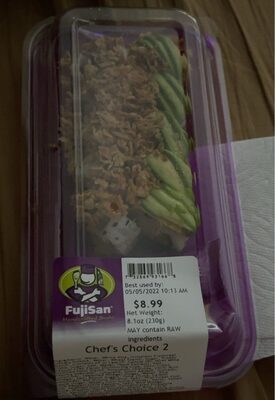
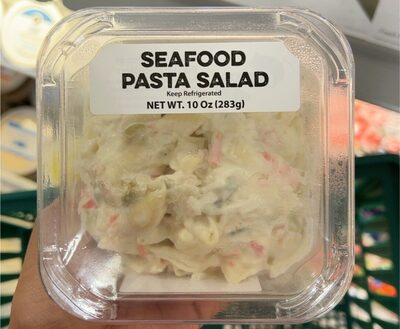

Auto-generated content. This description was generated automatically and is pending editorial review. Inaccuracies are possible. Found a mistake? Contact us.