Sockeye Salmon
What is Sockeye Salmon?
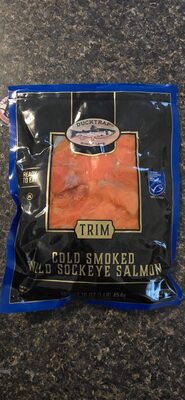
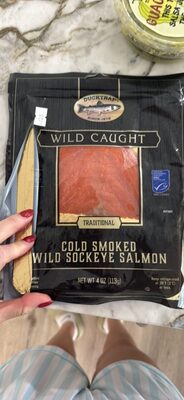
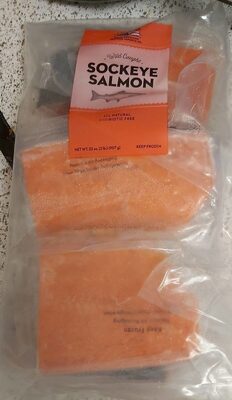
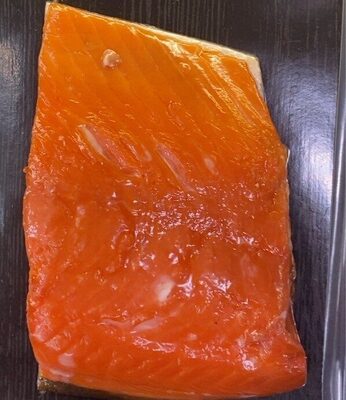
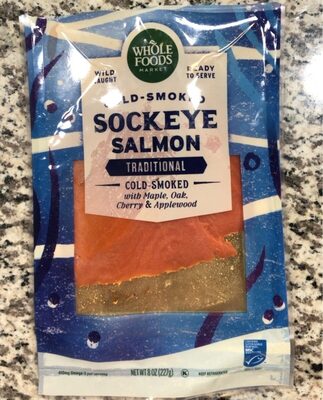
Sockeye salmon is a type of Pacific salmon known for its vibrant red flesh and rich flavor. It is a wild-caught fish, primarily found in the North Pacific Ocean and rivers flowing into it. It is typically sold fresh, frozen, or canned.
Is Sockeye Salmon vegan?
No. Sockeye Salmon is animal-derived, so it is not vegan.
Is Sockeye Salmon gluten-free?
It does not contain gluten.
Is Sockeye Salmon a major allergen?
Sockeye salmon is a fish, which is one of the FDA's nine major food allergens.
What is Sockeye Salmon used for?
Sockeye salmon is used as a primary protein source in various dishes, especially in seafood and frozen food products.
Is Sockeye Salmon safe?
Sockeye salmon is a good source of protein, omega-3 fatty acids, and vitamin D.
Why it's used
Sockeye salmon is used as a primary protein source in various dishes, especially in seafood and frozen food products. It is often prepared by smoking, grilling, baking, or poaching. Its distinct flavor and color make it a desirable ingredient for consumers seeking high-quality fish.
Health notes
Sockeye salmon is a good source of protein, omega-3 fatty acids, and vitamin D. The U.S. Food and Drug Administration (FDA) considers fish generally safe for consumption. International bodies like the Joint FAO/WHO Expert Committee on Food Additives (JECFA) have evaluated fish and seafood products. Concerns about mercury levels in fish are often raised, but sockeye salmon is generally considered to have lower mercury levels compared to larger predatory fish.
Allergen info
Sockeye salmon is a fish, which is one of the FDA's nine major food allergens. It does not contain gluten.
Foods that contain Sockeye Salmon
Compare products →
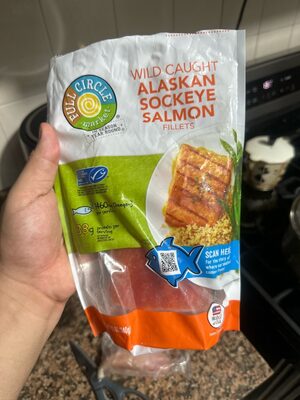
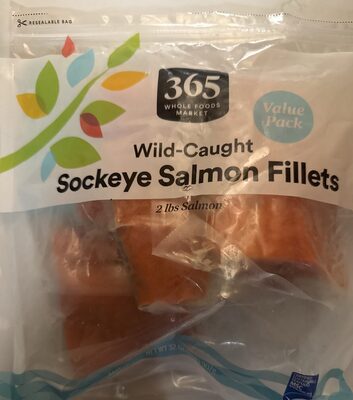
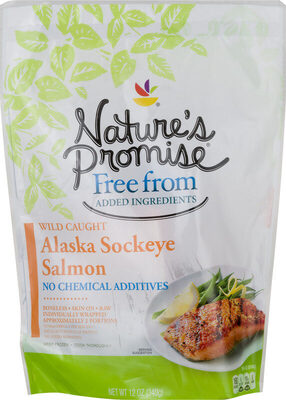
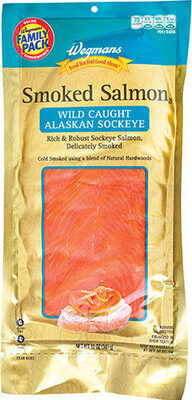
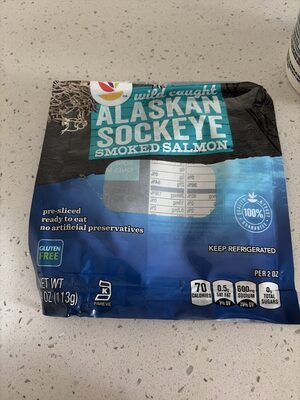
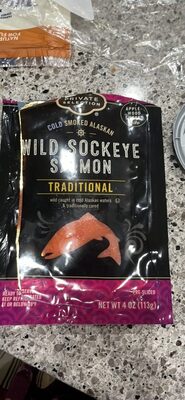
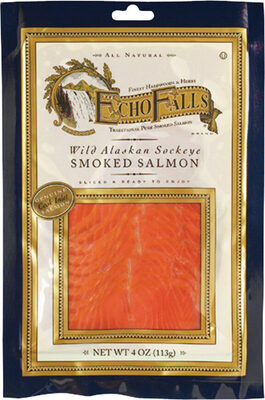

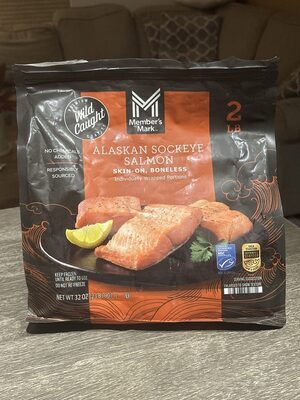
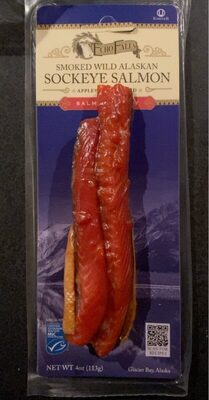
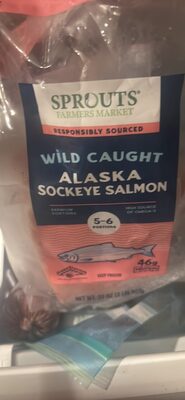
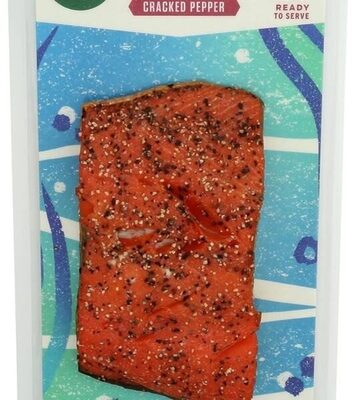

Learn more
Auto-generated content. This description was generated automatically and is pending editorial review. Inaccuracies are possible. Found a mistake? Contact us.