Sodium Citrate And Enzymes
What is Sodium Citrate And Enzymes?
Sodium citrate is the sodium salt of citric acid. It is made by neutralizing citric acid, which can be produced by fermenting sugar with a mold called Aspergillus niger. Enzymes are biological catalysts that speed up chemical reactions, and in this context, they are often used to help produce the citric acid or modify other ingredients.
Is Sodium Citrate And Enzymes a major allergen?
Not a major allergen.
What is Sodium Citrate And Enzymes used for?
Sodium citrate is used as an acidity regulator, emulsifier, and preservative.
Is Sodium Citrate And Enzymes safe?
Sodium citrate is Generally Recognized As Safe (GRAS) by the FDA for use in food.
Why it's used
Sodium citrate is used as an acidity regulator, emulsifier, and preservative. It helps prevent oil and water from separating in foods like dips and processed cheeses. Enzymes are used to improve texture, stability, or processing of food products.
Health notes
Sodium citrate is Generally Recognized As Safe (GRAS) by the FDA for use in food. It is also used medically to prevent blood from clotting. International bodies like JECFA and EFSA have evaluated sodium citrate. Evidence does not suggest adverse health effects from typical dietary intake.
Allergen info
Not a major allergen. Citric acid can be derived from corn or other plant sources, and enzymes can be produced using various microbial or plant-based methods.
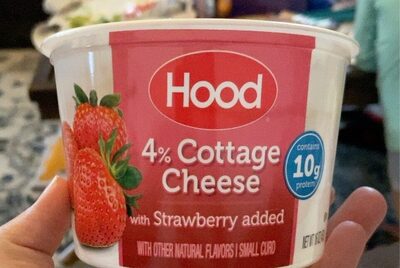
Foods that contain Sodium Citrate And Enzymes
Compare products →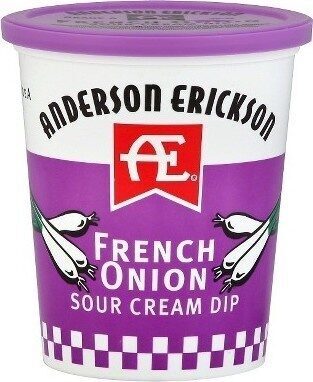
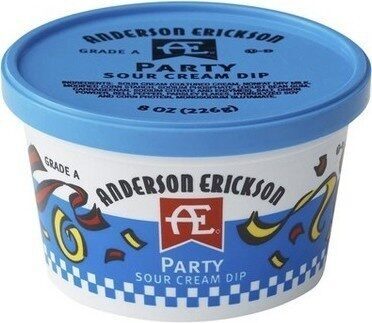

Auto-generated content. This description was generated automatically and is pending editorial review. Inaccuracies are possible. Found a mistake? Contact us.