Sodium Inosinate
What is Sodium Inosinate?
Sodium inosinate is a flavor enhancer. It is the sodium salt of inosinic acid, which occurs naturally in some foods. It is typically produced commercially through fermentation processes.
Is Sodium Inosinate gluten-free?
It does not contain gluten.
Is Sodium Inosinate a major allergen?
Sodium inosinate is not derived from any of the nine FDA major allergens.
What is Sodium Inosinate used for?
Sodium inosinate is used to intensify savory (umami) flavors in foods.
Is Sodium Inosinate safe?
In the United States, sodium inosinate is Generally Recognized As Safe (GRAS) by the FDA when used as a food additive.
Why it's used
Sodium inosinate is used to intensify savory (umami) flavors in foods. It is often combined with sodium guanylate to create a synergistic effect, meaning the combined flavor enhancement is greater than the sum of its parts. It is commonly found in processed foods like snacks, soups, and canned meats.
Health notes
In the United States, sodium inosinate is Generally Recognized As Safe (GRAS) by the FDA when used as a food additive. It is not known to cause adverse health effects at the levels typically consumed in food. International bodies like JECFA have evaluated it. Evidence does not suggest significant health concerns for the general population at typical intake levels.
Allergen info
Sodium inosinate is not derived from any of the nine FDA major allergens. It does not contain gluten.
Foods that contain Sodium Inosinate
Compare products →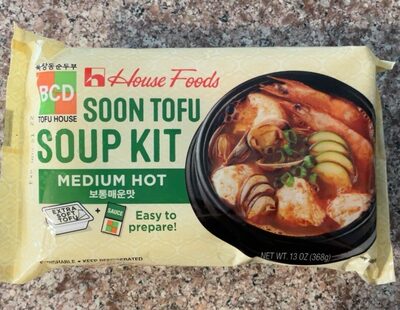
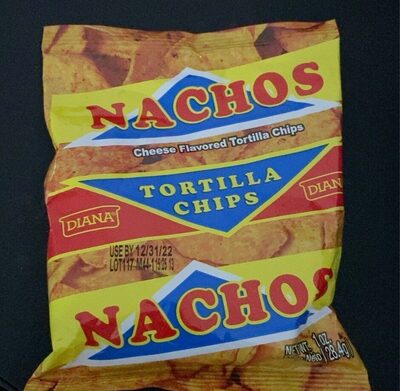
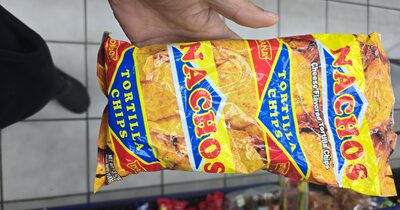
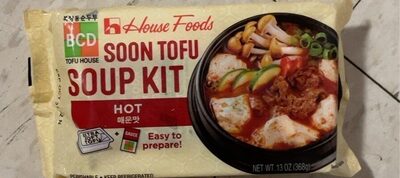
Learn more
Auto-generated content. This description was generated automatically and is pending editorial review. Inaccuracies are possible. Found a mistake? Contact us.