Soy Lecithin Soybean Oil
Auto-generated content. This description was generated automatically and is pending editorial review. Inaccuracies are possible. Found a mistake? Contact us.
What it is
Soy lecithin is a fatty substance derived from soybeans. It is a byproduct of soybean oil production and is typically processed using solvents like hexane, though hexane-free options are available. It is a mixture of phospholipids, which are important components of cell membranes.
Why it's used
Manufacturers use soy lecithin primarily as an emulsifier, helping to blend ingredients that normally wouldn't mix, such as oil and water. It also acts as a stabilizer, thickener, and antioxidant, improving texture and shelf life. You'll find it in a wide range of processed foods, including baked goods, chocolate, margarine, and frozen desserts.
Health notes
In the US, soy lecithin is generally recognized as safe (GRAS) by the FDA when used as a food additive. It is approved for use in many countries, and international bodies like JECFA have evaluated it. At typical consumption levels, it is not associated with significant health concerns. Some people may have sensitivities, but it is not considered a major allergen by regulatory bodies.
Allergen info
Soy lecithin is derived from soy, which is one of the nine major allergens recognized by the FDA. It does not contain gluten.
Products containing Soy Lecithin Soybean Oil
Compare products →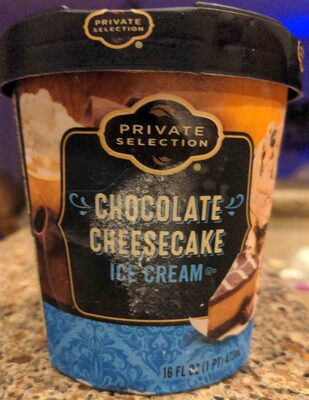 The Kroger Co.
Chocolate Cheesecake Ice Cream, Chocolate
High in saturated fat — 50% DV per serving
High in added sugars — 48% DV per serving
277kcal
3.6Protein
15.2Fat
33.0Carbs
Conagra Brands, Inc
BIRDS EYE Steamfresh Low Sugar peas and Mushroom
—kcal
4.7Protein
1.7Fat
12.8Carbs
The Kroger Co.
Chocolate Cheesecake Ice Cream, Chocolate
High in saturated fat — 50% DV per serving
High in added sugars — 48% DV per serving
277kcal
3.6Protein
15.2Fat
33.0Carbs
Conagra Brands, Inc
BIRDS EYE Steamfresh Low Sugar peas and Mushroom
—kcal
4.7Protein
1.7Fat
12.8Carbs