Sprattus Sprattus Or Clupea Harengus
What is Sprattus Sprattus Or Clupea Harengus?
Sprattus sprattus and Clupea harengus are small, oily fish commonly known as sardines and herring, respectively. They are found in the Atlantic and Baltic Seas. These fish are typically canned whole, often with added oil, sauce, or seasonings.
Is Sprattus Sprattus Or Clupea Harengus vegan?
No. Sprattus Sprattus Or Clupea Harengus is animal-derived, so it is not vegan.
Is Sprattus Sprattus Or Clupea Harengus a major allergen?
Fish is one of the 9 major allergens recognized by the FDA.
What is Sprattus Sprattus Or Clupea Harengus used for?
These fish are primarily used as a source of protein and healthy fats in canned seafood products.
Is Sprattus Sprattus Or Clupea Harengus safe?
Sardines and herring are a good source of omega-3 fatty acids, vitamin D, and calcium (especially if bones are consumed).
Why it's used
These fish are primarily used as a source of protein and healthy fats in canned seafood products. They are valued for their savory, fishy flavor and are often packed in oil, water, or sauces like lemon or tomato to enhance taste and preservation.
Health notes
Sardines and herring are a good source of omega-3 fatty acids, vitamin D, and calcium (especially if bones are consumed). The FDA has not established specific regulations for these fish as food additives, as they are whole foods. They are generally considered safe and nutritious when consumed as part of a balanced diet. No specific ADI or upper limits have been set by international bodies like JECFA or EFSA for these fish themselves.
Allergen info
Fish is one of the 9 major allergens recognized by the FDA. Therefore, sardines and herring are considered major allergens.
Foods that contain Sprattus Sprattus Or Clupea Harengus
Compare products →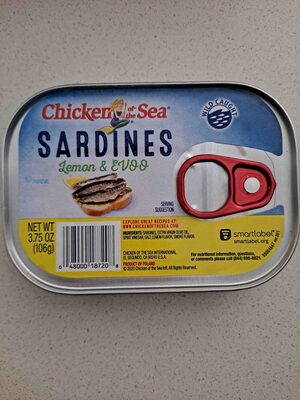 Tri-Union Seafoods, LLC
Wild-Caught In Lemon Sauce Sardines, Lemon
High in cholesterol — 27% DV per serving
135kcal
20.3Protein
5.4Fat
0Carbs
Tri-Union Seafoods, LLC
Wild-Caught In Lemon Sauce Sardines, Lemon
High in cholesterol — 27% DV per serving
135kcal
20.3Protein
5.4Fat
0Carbs
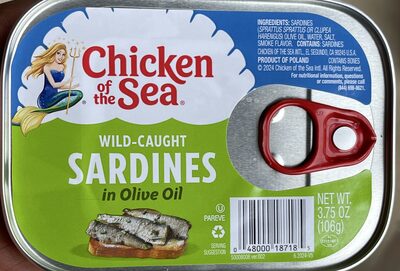 Tri-Union Seafoods, LLC
Wild-Caught In Olive Oil Sardines
High in cholesterol — 28% DV per serving
188kcal
15.9Protein
14.5Fat
0Carbs
Tri-Union Seafoods, LLC
Wild-Caught In Olive Oil Sardines
High in cholesterol — 28% DV per serving
188kcal
15.9Protein
14.5Fat
0Carbs
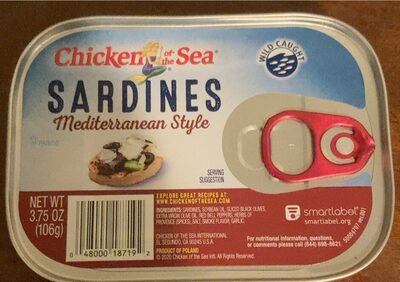 Tri-Union Seafoods, LLC
Mediterranean Style Wild-Caught Sardines
High in cholesterol — 32% DV per serving
159kcal
17.4Protein
10.1Fat
0Carbs
Tri-Union Seafoods, LLC
Mediterranean Style Wild-Caught Sardines
High in cholesterol — 32% DV per serving
159kcal
17.4Protein
10.1Fat
0Carbs
Learn more
Auto-generated content. This description was generated automatically and is pending editorial review. Inaccuracies are possible. Found a mistake? Contact us.