Spray Dried Shortening
Auto-generated content. This description was generated automatically and is pending editorial review. Inaccuracies are possible. Found a mistake? Contact us.
What it is
Spray-dried shortening is a type of fat that has been processed to be a powder. It is typically made from vegetable oils that are hydrogenated or interesterified, then mixed with emulsifiers and other ingredients before being spray-dried. This process creates a solid, free-flowing powder that is easy to handle and incorporate into food products.
Why it's used
Manufacturers use spray-dried shortening to add richness, improve texture, and provide a tender mouthfeel in baked goods and other processed foods. Its powdered form makes it ideal for dry mixes, such as cake mixes, pancake mixes, and powdered beverage bases, where it can be easily blended with other dry ingredients.
Health notes
Spray-dried shortening is generally recognized as safe (GRAS) by the FDA for use in food. It is a source of fat and calories. Regulatory bodies like JECFA and EFSA have evaluated fats and oils, but specific evaluations for spray-dried shortening may vary. Typical consumption of fats within a balanced diet is not associated with adverse health effects.
Allergen info
Spray-dried shortening is not a major allergen. It is typically derived from vegetable oils, which are not among the nine FDA major allergens. Gluten is not present unless added separately.
Products containing Spray Dried Shortening
Compare products →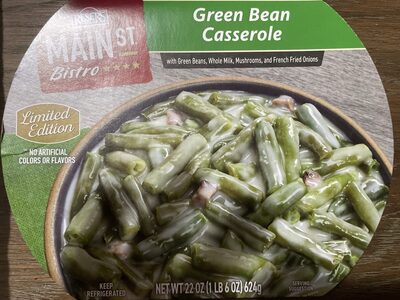 Reser's Fine Foods, Inc.
Green Bean Casserole
High in sodium — 28% DV per serving
71kcal
1.6Protein
2.0Fat
11.0Carbs
Reser's Fine Foods, Inc.
Green Bean Casserole
High in sodium — 28% DV per serving
71kcal
1.6Protein
2.0Fat
11.0Carbs