Sprouted Millet Flour
Auto-generated content. This description was generated automatically and is pending editorial review. Inaccuracies are possible. Found a mistake? Contact us.
What it is
Sprouted millet flour is made from millet grains that have been allowed to germinate (sprout) before being dried and ground into flour. This process can change the grain's nutritional profile and make it easier to digest.
Why it's used
Sprouted millet flour is used as a gluten-free alternative to traditional wheat flour in baked goods like breads, muffins, and cookies. Manufacturers use it to add a slightly nutty flavor and improve the texture of gluten-free products.
Health notes
Sprouted millet flour is generally recognized as safe (GRAS) by the FDA for use in food. Millet is a source of nutrients like fiber, protein, and minerals. Regulatory bodies like EFSA have evaluated millet and its components, but specific health effects at typical intake levels are not a primary focus of these evaluations. Evidence does not suggest adverse effects from consuming sprouted millet flour in normal amounts.
Allergen info
Millet is not one of the nine major allergens identified by the FDA. It is naturally gluten-free.
Products containing Sprouted Millet Flour
Compare products →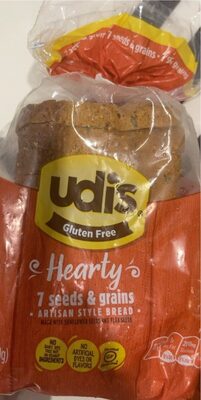 Pinnacle Foods Group LLC
7 Seeds & Grains Artisan Style Bread, 7 Seeds & Grains
302kcal
9.3Protein
10.5Fat
41.9Carbs
Xochitl, Inc.
White/Red Corn Chips
500kcal
7.1Protein
25Fat
64.3Carbs
Pinnacle Foods Group LLC
7 Seeds & Grains Artisan Style Bread, 7 Seeds & Grains
302kcal
9.3Protein
10.5Fat
41.9Carbs
Xochitl, Inc.
White/Red Corn Chips
500kcal
7.1Protein
25Fat
64.3Carbs
 Pinnacle Foods Group LLC
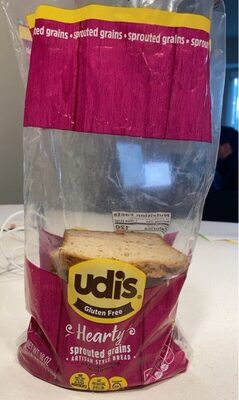
Sprouted Grains Hearty Artisan Style Bread, Sprouted Grains
279kcal
7.0Protein
10.5Fat
41.9Carbs
Better For You Foods LLC
Thin Crust Four Cheese Pizza
High in sodium — 23% DV per serving
221kcal
9.7Protein
7.1Fat
28.3Carbs
Pinnacle Foods Group LLC
Sprouted Grains Hearty Artisan Style Bread, Sprouted Grains
279kcal
7.0Protein
10.5Fat
41.9Carbs
Better For You Foods LLC
Thin Crust Four Cheese Pizza
High in sodium — 23% DV per serving
221kcal
9.7Protein
7.1Fat
28.3Carbs