Stabilizing Agent
What is Stabilizing Agent?
Stabilizing agents are substances that help prevent ingredients in food from separating. They can be derived from plants, animals, or be synthetically produced. Their purpose is to maintain a uniform texture and consistency in food products.
Is Stabilizing Agent gluten-free?
They are not a source of gluten.
Is Stabilizing Agent a major allergen?
Stabilizing agents are not typically derived from the major allergens.
What is Stabilizing Agent used for?
Manufacturers use stabilizing agents to improve the texture, mouthfeel, and shelf life of foods.
Is Stabilizing Agent safe?
Many common stabilizing agents are recognized as safe by the FDA, often listed as Generally Recognized As Safe (GRAS).
Why it's used
Manufacturers use stabilizing agents to improve the texture, mouthfeel, and shelf life of foods. They help keep ingredients like oil and water mixed, prevent ice crystals from forming in frozen foods, and ensure a smooth consistency. They are commonly found in dairy products, baked goods, sauces, and dressings.
Health notes
Many common stabilizing agents are recognized as safe by the FDA, often listed as Generally Recognized As Safe (GRAS). International bodies like JECFA and EFSA have also evaluated many of these substances. At typical consumption levels, they are not associated with adverse health effects. Some individuals may experience digestive upset from certain types of stabilizers if consumed in very large amounts.
Allergen info
Stabilizing agents are not typically derived from the major allergens. Some may be derived from sources like wheat or soy, but processing usually removes allergenic proteins. They are not a source of gluten.
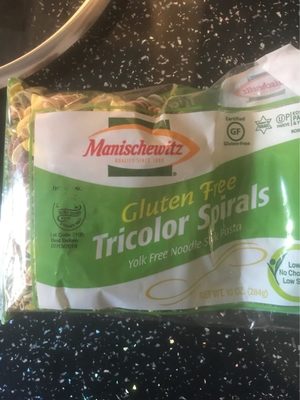
Foods that contain Stabilizing Agent
Compare products →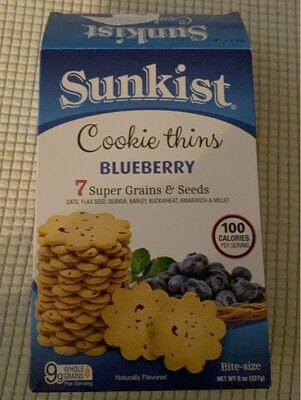
Auto-generated content. This description was generated automatically and is pending editorial review. Inaccuracies are possible. Found a mistake? Contact us.