Starter Cultures
Auto-generated content. This description was generated automatically and is pending editorial review. Inaccuracies are possible. Found a mistake? Contact us.
What it is
Starter cultures are live microorganisms, typically bacteria or yeasts, used to begin or control fermentation. They are grown in a controlled environment and then added to food products. These cultures convert sugars into other compounds like acids, gases, or alcohol, influencing the food's flavor, texture, and preservation.
Why it's used
Starter cultures are essential for developing the characteristic flavors and textures in many fermented foods. They are commonly used in dairy products like cheese and yogurt to produce lactic acid, which contributes to tanginess and preservation. They are also used in baking to leaven bread and in producing fermented meats and vegetables.
Health notes
Starter cultures are generally recognized as safe (GRAS) by the FDA for use in food. Many specific strains have been evaluated by regulatory bodies like EFSA. While generally considered beneficial for gut health by some, scientific consensus on specific health benefits is still developing. They are not associated with significant adverse health effects when consumed in typical amounts found in food.
Allergen info
Starter cultures themselves are not typically derived from major allergens. However, the growth media used to cultivate them may sometimes contain allergens like milk or soy. If the starter culture is used in a product like cheese, the final product will contain milk allergens.
Products containing Starter Cultures
Compare products →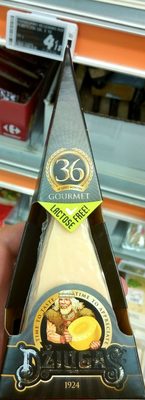 DZIUGAS
Hard Cheese
High in saturated fat — 25% DV per serving
367kcal
33.3Protein
26Fat
0Carbs
EXCALIBUR
Excalibur, English Cheddar
High in saturated fat — 25% DV per serving
393kcal
21.4Protein
32.1Fat
0Carbs
LONDONER
Spicy Mix Cheese
High in saturated fat — 25% DV per serving
368kcal
25Protein
28.6Fat
3.6Carbs
LIDL
Chorizo Iberico Dry Cured Sausage From Iberian Pig
High in sodium — 21% DV per serving
357kcal
25Protein
28.6Fat
0Carbs
MAMA COZZI'S
Uncured Pepperoni Thin & Crispy Pizza, Uncured Pepperoni
High in sodium — 25% DV per serving
High in saturated fat — 35% DV per serving
273kcal
11.7Protein
11.7Fat
31.2Carbs
LIDL
Tortellini Cheese, Tortellini
38kcal
8.5Protein
4.2Fat
34.0Carbs
LIDL
Uncured Bratwurst Cheddar Cheese & Bell Pepper, Uncured Bratwurst
High in sodium — 30% DV per serving
High in saturated fat — 55% DV per serving
329kcal
14.1Protein
29.4Fat
1.2Carbs
Dandy Confectionery North America
Smoked English Cheddar Cheese
High in saturated fat — 30% DV per serving
418kcal
25Protein
35.7Fat
0.4Carbs
Food Town Stores Inc.
Condensed Soup, French Onion
High in sodium — 28% DV per serving
57kcal
2.4Protein
1.2Fat
9.8Carbs
GS1 Ireland
The Two Layered Cheese
High in saturated fat — 30% DV per serving
429kcal
23.2Protein
35.7Fat
1.1Carbs
Somerdale International Ltd.
Westminster, Royal Edition Aged English Cheddar Cheese
High in saturated fat — 30% DV per serving
418kcal
25Protein
35.7Fat
0.4Carbs
GS1 Ireland
Fiesta Cheese
High in saturated fat — 25% DV per serving
361kcal
21.4Protein
28.6Fat
7.1Carbs
DZIUGAS
Hard Cheese
High in saturated fat — 25% DV per serving
367kcal
33.3Protein
26Fat
0Carbs
EXCALIBUR
Excalibur, English Cheddar
High in saturated fat — 25% DV per serving
393kcal
21.4Protein
32.1Fat
0Carbs
LONDONER
Spicy Mix Cheese
High in saturated fat — 25% DV per serving
368kcal
25Protein
28.6Fat
3.6Carbs
LIDL
Chorizo Iberico Dry Cured Sausage From Iberian Pig
High in sodium — 21% DV per serving
357kcal
25Protein
28.6Fat
0Carbs
MAMA COZZI'S
Uncured Pepperoni Thin & Crispy Pizza, Uncured Pepperoni
High in sodium — 25% DV per serving
High in saturated fat — 35% DV per serving
273kcal
11.7Protein
11.7Fat
31.2Carbs
LIDL
Tortellini Cheese, Tortellini
38kcal
8.5Protein
4.2Fat
34.0Carbs
LIDL
Uncured Bratwurst Cheddar Cheese & Bell Pepper, Uncured Bratwurst
High in sodium — 30% DV per serving
High in saturated fat — 55% DV per serving
329kcal
14.1Protein
29.4Fat
1.2Carbs
Dandy Confectionery North America
Smoked English Cheddar Cheese
High in saturated fat — 30% DV per serving
418kcal
25Protein
35.7Fat
0.4Carbs
Food Town Stores Inc.
Condensed Soup, French Onion
High in sodium — 28% DV per serving
57kcal
2.4Protein
1.2Fat
9.8Carbs
GS1 Ireland
The Two Layered Cheese
High in saturated fat — 30% DV per serving
429kcal
23.2Protein
35.7Fat
1.1Carbs
Somerdale International Ltd.
Westminster, Royal Edition Aged English Cheddar Cheese
High in saturated fat — 30% DV per serving
418kcal
25Protein
35.7Fat
0.4Carbs
GS1 Ireland
Fiesta Cheese
High in saturated fat — 25% DV per serving
361kcal
21.4Protein
28.6Fat
7.1Carbs