Stearic Acid
What is Stearic Acid?
Stearic acid is a common saturated fatty acid. It is found naturally in many animal fats and vegetable oils, such as cocoa butter and shea butter. It is typically obtained by breaking down these fats and oils.
Is Stearic Acid a major allergen?
Stearic acid itself is not a major allergen.
What is Stearic Acid used for?
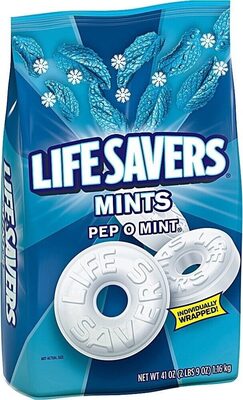
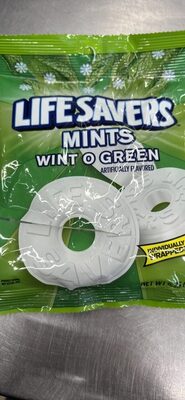
In foods, stearic acid is used to harden candies and chewing gum, and it can act as a lubricant in food processing.
Is Stearic Acid safe?
Stearic acid is generally recognized as safe (GRAS) by the FDA for use in food.
Why it's used
In foods, stearic acid is used to harden candies and chewing gum, and it can act as a lubricant in food processing. It also functions as an emulsifier, helping to blend ingredients that normally separate, like oil and water, in products such as baked goods.
Health notes
Stearic acid is generally recognized as safe (GRAS) by the FDA for use in food. It is a common component of the fats we eat every day and is metabolized like other dietary fats. JECFA has evaluated stearic acid and did not set a numeric limit (ADI not specified), considering it a normal part of the diet.
Allergen info
Stearic acid itself is not a major allergen. Its source can be animal fats or vegetable oils (like soy or palm), but the ingredient itself is not one of the 9 major allergens.
Foods that contain Stearic Acid
Compare products →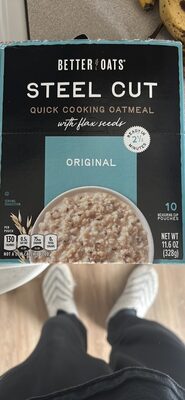
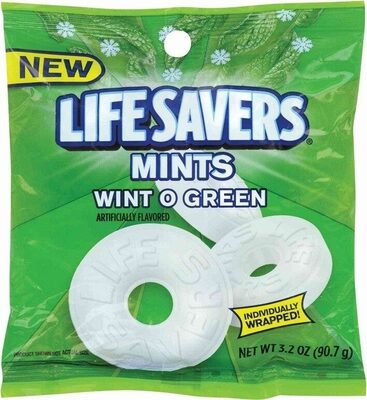

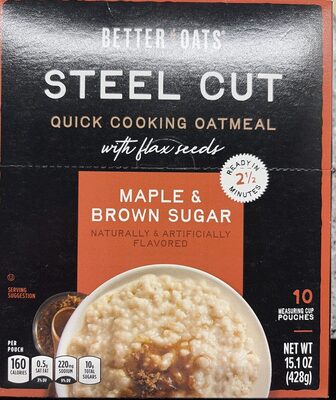
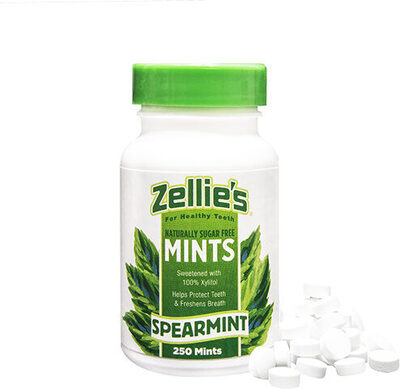











Learn more
Auto-generated content. This description was generated automatically and is pending editorial review. Inaccuracies are possible. Found a mistake? Contact us.