String Cheese
What is String Cheese?
String cheese is a semi-hard, low-moisture cheese made from cow's milk. It is typically produced by stretching and cutting curdled milk into thin strands. This process gives it a distinctive texture that can be pulled apart.
Is String Cheese vegan?
No. String Cheese is animal-derived, so it is not vegan.
Is String Cheese gluten-free?
It does not contain gluten.
Is String Cheese a major allergen?
String cheese is derived from milk, which is one of the 9 FDA major allergens.
What is String Cheese used for?
String cheese is primarily used as a convenient, portable snack food, often found in lunchboxes and single-serving packages.
Is String Cheese safe?
String cheese is a dairy product and a source of protein and calcium.
Why it's used
String cheese is primarily used as a convenient, portable snack food, often found in lunchboxes and single-serving packages. It is valued for its mild flavor and fun, interactive texture. Manufacturers add it to snack packs, often paired with other items like crackers, fruit, or cured meats.
Health notes
String cheese is a dairy product and a source of protein and calcium. The FDA considers cheese generally recognized as safe (GRAS) for consumption. Like other dairy products, it contains saturated fat and sodium, and consumption should be considered as part of an overall balanced diet. Excessive intake of saturated fat and sodium can be associated with health concerns.
Allergen info
String cheese is derived from milk, which is one of the 9 FDA major allergens. It does not contain gluten.
Foods that contain String Cheese
Compare products →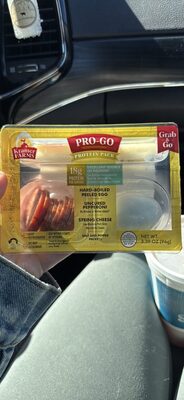
Learn more
Auto-generated content. This description was generated automatically and is pending editorial review. Inaccuracies are possible. Found a mistake? Contact us.