Sugar And Certified Confectioners Glaze
What is Sugar And Certified Confectioners Glaze?
Confectioners glaze is a food-grade shellac, a resin secreted by the lac beetle (Kerria lacca). It is purified and refined to create a food-grade coating. It is often mixed with sugar and other ingredients to create a smooth, edible coating.
Is Sugar And Certified Confectioners Glaze vegan?
No. Sugar And Certified Confectioners Glaze is animal-derived, so it is not vegan.
Is Sugar And Certified Confectioners Glaze gluten-free?
It is also gluten-free.
Is Sugar And Certified Confectioners Glaze a major allergen?
Not a major allergen.
What is Sugar And Certified Confectioners Glaze used for?
Confectioners glaze is used as a protective coating or sealant on a variety of food products.
Is Sugar And Certified Confectioners Glaze safe?
Confectioners glaze is generally recognized as safe (GRAS) by the FDA for use in food.
Why it's used
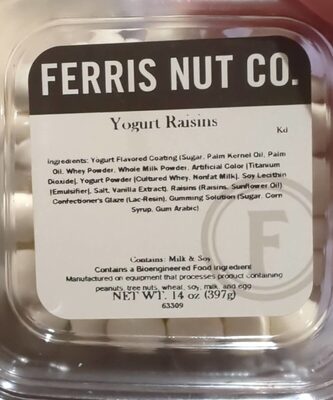
Confectioners glaze is used as a protective coating or sealant on a variety of food products. It gives candies and chocolates a shiny appearance, prevents sticking, and can help preserve freshness. It is commonly found on chocolate-covered candies, nuts, and dried fruits.
Health notes
Confectioners glaze is generally recognized as safe (GRAS) by the FDA for use in food. It is primarily composed of shellac, which is considered safe for consumption. Regulatory bodies like JECFA and EFSA have evaluated shellac and its derivatives. At typical consumption levels, it is not associated with adverse health effects.
Allergen info
Not a major allergen. Shellac is not derived from any of the 9 FDA major allergens. It is also gluten-free.
Foods that contain Sugar And Certified Confectioners Glaze
Compare products →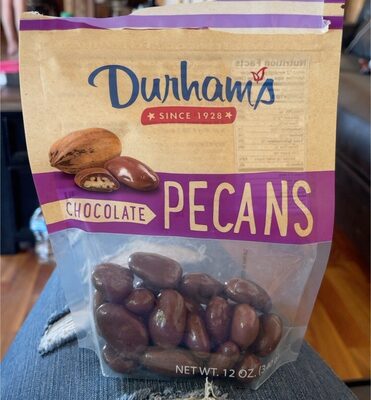
Auto-generated content. This description was generated automatically and is pending editorial review. Inaccuracies are possible. Found a mistake? Contact us.