Sunflower And Palm
Auto-generated content. This description was generated automatically and is pending editorial review. Inaccuracies are possible. Found a mistake? Contact us.
What it is
Sunflower oil is a vegetable oil extracted from sunflower seeds. Palm oil is a vegetable oil derived from the fruit of oil palm trees. Both are commonly used in processed foods due to their texture and stability.
Why it's used
These oils are often blended for use as cooking oils, shortenings, and in baked goods like cakes and snack cakes. They provide a desirable mouthfeel and help to extend shelf life in products such as peanut butter spreads and popcorn.
Health notes
Sunflower and palm oils are fats and provide calories. The U.S. Food and Drug Administration (FDA) considers both to be generally recognized as safe (GRAS) for use in food. Regulatory bodies like the Joint FAO/WHO Expert Committee on Food Additives (JECFA) and the European Food Safety Authority (EFSA) have evaluated these oils. Evidence on the health effects of dietary fats, including saturated fats found in palm oil, is complex and ongoing, with recommendations generally advising moderation.
Allergen info
Neither sunflower oil nor palm oil are among the FDA's nine major food allergens. They do not contain gluten.
Products containing Sunflower And Palm
Compare products →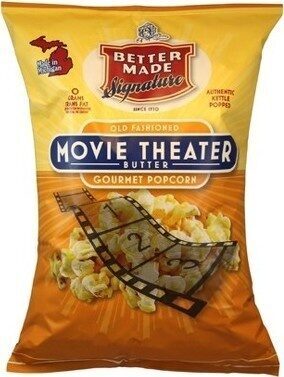 Better Made Snack Foods, Inc.
Better Made, Movie Theater Butter Gourmet Popcorn
643kcal
3.6Protein
53.6Fat
39.3Carbs
Zaghis SpA
Oven Baked Product With Blueberry Filling
380kcal
6Protein
14Fat
60Carbs
Zaghis SpA
Torta All' Albicocca
400kcal
6Protein
14Fat
60Carbs
Zaghis SpA
Over Baked Product With Wild Berry Filling
400kcal
4Protein
14Fat
64Carbs
Zaghis SpA
Torta Alla Nocciola
400kcal
4Protein
16Fat
62Carbs
The Hershey Company
Chocolate Spreads, Chocolate
514kcal
8.1Protein
32.4Fat
54.0Carbs
Torta Al Limone
400kcal
4Protein
16Fat
62Carbs
Better Made Snack Foods, Inc.
Better Made, Movie Theater Butter Gourmet Popcorn
643kcal
3.6Protein
53.6Fat
39.3Carbs
Zaghis SpA
Oven Baked Product With Blueberry Filling
380kcal
6Protein
14Fat
60Carbs
Zaghis SpA
Torta All' Albicocca
400kcal
6Protein
14Fat
60Carbs
Zaghis SpA
Over Baked Product With Wild Berry Filling
400kcal
4Protein
14Fat
64Carbs
Zaghis SpA
Torta Alla Nocciola
400kcal
4Protein
16Fat
62Carbs
The Hershey Company
Chocolate Spreads, Chocolate
514kcal
8.1Protein
32.4Fat
54.0Carbs
Torta Al Limone
400kcal
4Protein
16Fat
62Carbs