Sweet Basil
What is Sweet Basil?
Sweet basil is an herb in the mint family, native to tropical regions of central Africa and southeastern Asia. It is widely cultivated for its aromatic leaves, which are used fresh or dried in cooking. The plant is typically grown as an annual.
Is Sweet Basil vegan?
Sweet Basil is not animal-derived. Products that contain it can still include other animal-derived ingredients, so check the full ingredient list.
Is Sweet Basil gluten-free?
It does not contain gluten.
Is Sweet Basil a major allergen?
Sweet basil is not one of the nine FDA major allergens.
What is Sweet Basil used for?
Sweet basil is primarily used as a flavoring agent in a wide variety of foods, especially Italian and Southeast Asian cuisines.
Is Sweet Basil safe?
Sweet basil is generally recognized as safe (GRAS) by the FDA when used as a food ingredient.
Why it's used
Sweet basil is primarily used as a flavoring agent in a wide variety of foods, especially Italian and Southeast Asian cuisines. Manufacturers add it to enhance the taste and aroma of dishes like pasta sauces, pizzas, soups, and marinades. It is also found in seasoning mixes and some frozen entrees.
Health notes
Sweet basil is generally recognized as safe (GRAS) by the FDA when used as a food ingredient. It is a common culinary herb, and no adverse health effects are expected from its consumption at typical dietary levels. International bodies like JECFA have evaluated basil and its extracts, but did not set a numeric acceptable daily intake. Research into the specific compounds within basil suggests potential antioxidant and anti-inflammatory properties, though more studies are needed.
Allergen info
Sweet basil is not one of the nine FDA major allergens. It does not contain gluten.
Foods that contain Sweet Basil
Compare products →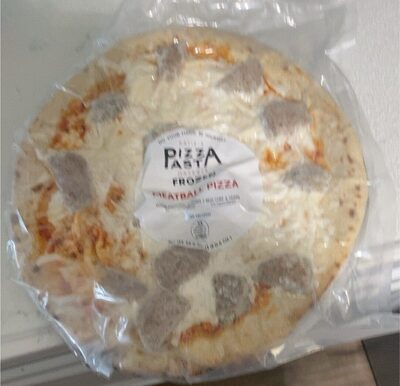
Learn more
Auto-generated content. This description was generated automatically and is pending editorial review. Inaccuracies are possible. Found a mistake? Contact us.