Sweet Onion Dijon Dressing
Auto-generated content. This description was generated automatically and is pending editorial review. Inaccuracies are possible. Found a mistake? Contact us.
What it is
Sweet Onion Dijon Dressing is a type of salad dressing characterized by its sweet and tangy flavor profile. It typically combines the pungency of Dijon mustard with the sweetness of onion, often balanced with oil, vinegar, and various seasonings. It is prepared by blending these ingredients to achieve a smooth or slightly textured consistency.
Why it's used
Manufacturers add Sweet Onion Dijon Dressing primarily to enhance the flavor and moisture of salads, sandwiches, and other dishes. It serves as a condiment or marinade, providing a distinct sweet, savory, and tangy taste. It is commonly found in pre-packaged salads, as a dipping sauce, or as a marinade for meats and vegetables.
Health notes
As a prepared food product rather than a single ingredient, Sweet Onion Dijon Dressing does not have a single regulatory status like GRAS or an approved additive. Its health implications depend entirely on the specific ingredients used in its formulation, such as oils, sweeteners, and preservatives. Regulatory bodies like the FDA evaluate individual food additives and ingredients, not composite food products like dressings.
Allergen info
The allergen information for Sweet Onion Dijon Dressing varies widely depending on its specific recipe and ingredients. Common allergens that might be present include sulfites (often from mustard or wine in Dijon mustard), soy (from soy oil or other soy-derived ingredients), or wheat (if flour is used as a thickener). Consumers should always check the ingredient list on the product label for specific allergen declarations.
Products containing Sweet Onion Dijon Dressing
Compare products →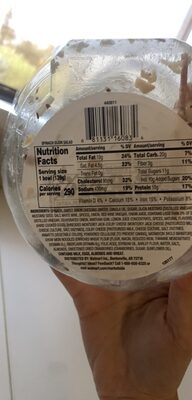 Wal-Mart Stores, Inc.
Spinach Dijon Spinach, Eggs, Shredded Monterey Jack-Colby Cheese, Chow Mein Noodles, Almonds, Sweetened Dried Cranberries And Sweet Onion Dressing Salad, Spinach Dijon
High in sodium — 20% DV per serving
High in saturated fat — 23% DV per serving
High in added sugars — 20% DV per serving
High in cholesterol — 30% DV per serving
201kcal
7.2Protein
13.7Fat
15.1Carbs
Wal-Mart Stores, Inc.
Spinach Dijon Spinach, Eggs, Shredded Monterey Jack-Colby Cheese, Chow Mein Noodles, Almonds, Sweetened Dried Cranberries And Sweet Onion Dressing Salad, Spinach Dijon
High in sodium — 20% DV per serving
High in saturated fat — 23% DV per serving
High in added sugars — 20% DV per serving
High in cholesterol — 30% DV per serving
201kcal
7.2Protein
13.7Fat
15.1Carbs