Textured Plant Protein
What is Textured Plant Protein?
Textured plant protein (TPP) is a meat alternative made from plant-based sources, most commonly soy, but also pea or wheat. The plant material is processed to remove fats and carbohydrates, leaving a protein-rich product that is then texturized, often through extrusion, to mimic the fibrous texture of meat.
Is Textured Plant Protein vegan?
Textured Plant Protein is not animal-derived. Products that contain it can still include other animal-derived ingredients, so check the full ingredient list.
Is Textured Plant Protein gluten-free?
If derived from wheat, it contains gluten.
Is Textured Plant Protein a major allergen?
If derived from soy, it is a major allergen.
What is Textured Plant Protein used for?
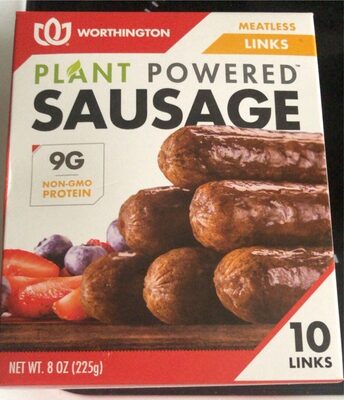
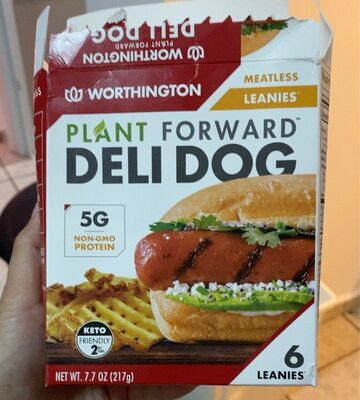
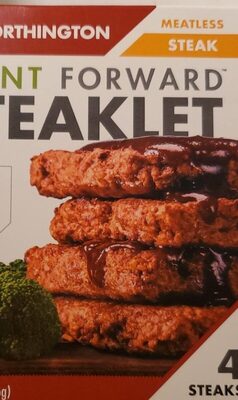
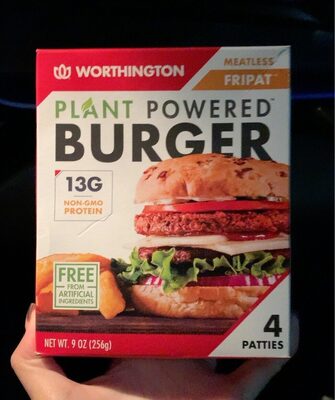
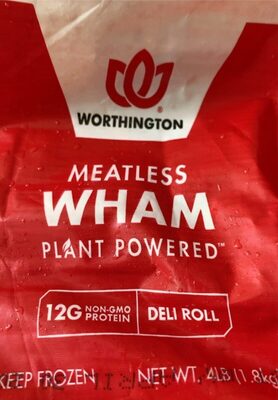
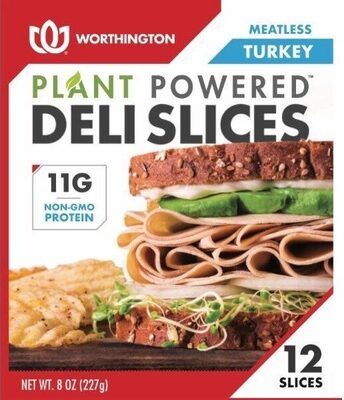
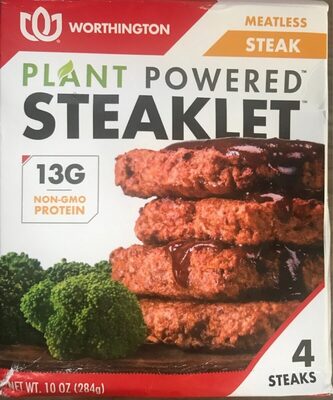
Manufacturers use TPP as a meat extender or substitute in products like vegetarian burgers, sausages, and deli slices.
Is Textured Plant Protein safe?
In the US, TPP is generally recognized as safe (GRAS) by the FDA when used according to good manufacturing practices.
Why it's used
Manufacturers use TPP as a meat extender or substitute in products like vegetarian burgers, sausages, and deli slices. Its ability to absorb flavors and its meat-like texture make it a versatile ingredient for plant-based and reduced-meat food options.
Health notes
In the US, TPP is generally recognized as safe (GRAS) by the FDA when used according to good manufacturing practices. It is a source of dietary protein. International bodies like JECFA have evaluated TPP. Evidence does not suggest adverse health effects at typical consumption levels.
Allergen info
If derived from soy, it is a major allergen. If derived from wheat, it contains gluten. If derived from pea, it is not a major allergen and is gluten-free. Labeling should be checked for specific source.
Foods that contain Textured Plant Protein
Compare products →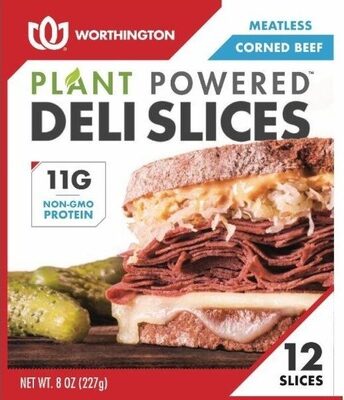
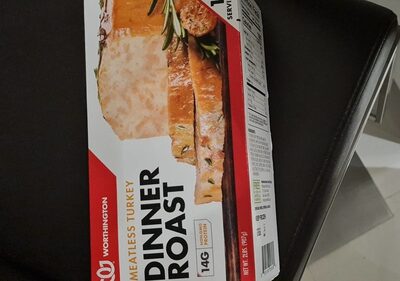
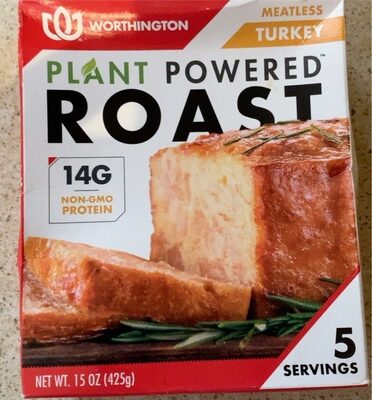
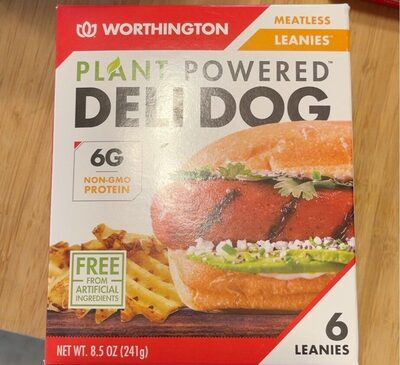
Learn more
Auto-generated content. This description was generated automatically and is pending editorial review. Inaccuracies are possible. Found a mistake? Contact us.