Texturized Soy Flour
What is Texturized Soy Flour?
Texturized soy flour (TSF) is a protein-rich ingredient made from defatted soybeans. The soybeans are cooked, dried, and then processed into various shapes and sizes, often resembling ground meat.
Is Texturized Soy Flour vegan?
Texturized Soy Flour is not animal-derived. Products that contain it can still include other animal-derived ingredients, so check the full ingredient list.
Is Texturized Soy Flour a major allergen?
Soy is one of the 9 major allergens recognized by the FDA.
What is Texturized Soy Flour used for?
TSF is used as a meat extender or meat substitute due to its protein content and texture.
Is Texturized Soy Flour safe?
Texturized soy flour is generally recognized as safe (GRAS) by the FDA.
Why it's used
TSF is used as a meat extender or meat substitute due to its protein content and texture. It absorbs flavors well and can improve the texture and moisture of processed foods like burgers, sausages, and meatloaf.
Health notes
Texturized soy flour is generally recognized as safe (GRAS) by the FDA. Soy is a common food allergen, but TSF itself is not typically associated with specific health concerns when consumed in moderation as part of a balanced diet. JECFA has evaluated soy protein and found it safe. Evidence does not suggest adverse health effects from typical consumption.
Allergen info
Soy is one of the 9 major allergens recognized by the FDA. Texturized soy flour is derived from soybeans.
Foods that contain Texturized Soy Flour
Compare products →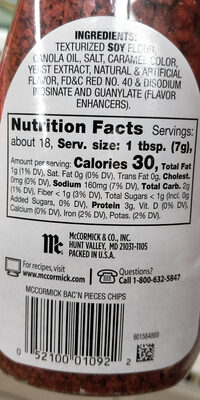
Learn more
Auto-generated content. This description was generated automatically and is pending editorial review. Inaccuracies are possible. Found a mistake? Contact us.