The Following: Preservatives
This entry is a label phrase. See the main ingredient page: Preservatives.
What is The Following: Preservatives?
Preservatives are substances added to food to prevent spoilage caused by microorganisms like bacteria, yeasts, and molds. They can be naturally occurring or synthetic. Their purpose is to extend the shelf life of food products, ensuring they remain safe and appealing for longer periods.
Is The Following: Preservatives a major allergen?
Preservatives themselves are not typically major allergens.
What is The Following: Preservatives used for?
Manufacturers add preservatives to a wide variety of packaged foods to maintain quality and prevent spoilage.
Is The Following: Preservatives safe?
Preservatives are regulated by the FDA, with many considered Generally Recognized As Safe (GRAS) or approved as food additives.
Why it's used
Manufacturers add preservatives to a wide variety of packaged foods to maintain quality and prevent spoilage. They are commonly found in baked goods, dairy products, processed meats, and snacks. By inhibiting microbial growth, preservatives help keep food fresh and prevent the development of off-flavors and textures.
Health notes
Preservatives are regulated by the FDA, with many considered Generally Recognized As Safe (GRAS) or approved as food additives. International bodies like JECFA and EFSA have also evaluated many preservatives. While generally safe at typical consumption levels, some individuals may experience sensitivities to certain preservatives. Research into the long-term effects of some synthetic preservatives is ongoing, and regulatory bodies continue to review scientific evidence.
Allergen info
Preservatives themselves are not typically major allergens. However, some preservatives may be derived from sources that are allergens, or they may be used in foods that contain major allergens. Always check the ingredient list for specific allergen information. Not a major allergen.
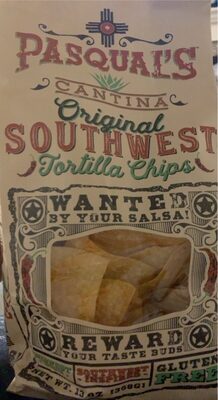
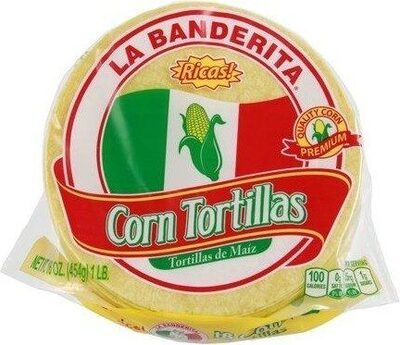
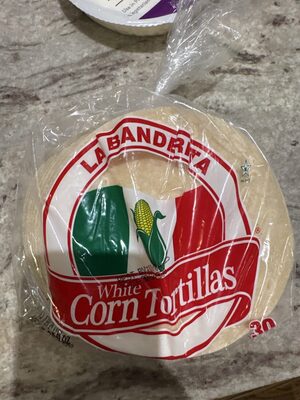
Foods that contain The Following: Preservatives
Compare products →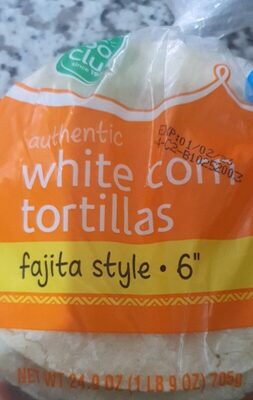
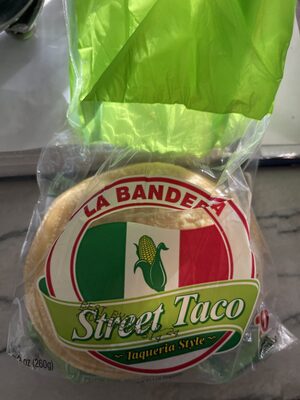
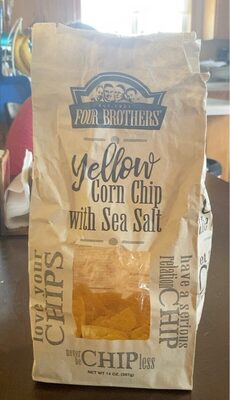
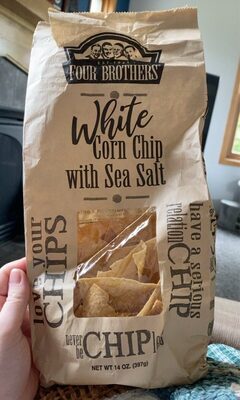
Learn more
Auto-generated content. This description was generated automatically and is pending editorial review. Inaccuracies are possible. Found a mistake? Contact us.