The Following: Vegetable Shortening
This entry is a label phrase. See the main ingredient page: Vegetable Shortening.
What is The Following: Vegetable Shortening?
Vegetable shortening is a solid fat made from vegetable oils, such as soybean, palm, or cottonseed oil. It is typically produced by processing liquid vegetable oils to make them solid or semi-solid at room temperature. This process changes the oil's texture and stability, making it suitable for baking and frying.
Is The Following: Vegetable Shortening vegan?
The Following: Vegetable Shortening is not animal-derived. Products that contain it can still include other animal-derived ingredients, so check the full ingredient list.
Is The Following: Vegetable Shortening gluten-free?
It does not contain gluten.
Is The Following: Vegetable Shortening a major allergen?
Vegetable shortening can be made from various vegetable oils.
What is The Following: Vegetable Shortening used for?
Manufacturers use vegetable shortening to create flaky textures in baked goods like pie crusts, biscuits, and pastries.
Is The Following: Vegetable Shortening safe?
Partially hydrogenated oils (PHOs), which were historically used to make some vegetable shortening, are no longer generally recognized as safe (GRAS) by the FDA since 2018.
Why it's used
Manufacturers use vegetable shortening to create flaky textures in baked goods like pie crusts, biscuits, and pastries. It also helps make cakes and cookies tender and moist. It is a common ingredient in many processed baked goods, fried foods, and icings.
Health notes
Partially hydrogenated oils (PHOs), which were historically used to make some vegetable shortening, are no longer generally recognized as safe (GRAS) by the FDA since 2018. This action removed most artificial trans fats from the food supply. Artificial trans fats have been linked to an increased risk of heart disease. Modern vegetable shortening is often made using different processes, such as full hydrogenation or interesterification, and is typically formulated to be trans fat-free. JECFA and EFSA evaluate specific fats and oils or processing methods, rather than 'vegetable shortening' as a single ingredient.
Allergen info
Vegetable shortening can be made from various vegetable oils. If derived from soybean oil, it would contain soy, which is one of the nine major food allergens identified by the FDA. Other common sources like palm or cottonseed oil are not major allergens. It does not contain gluten.
Foods that contain The Following: Vegetable Shortening
Compare products →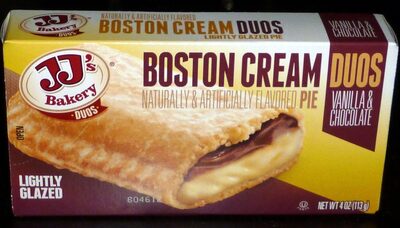 JTM Foods, Inc.
Duos Boston Cream Pie, Vanilla & Chocolate
High in sodium — 22% DV per serving
High in saturated fat — 50% DV per serving
381kcal
2.6Protein
16.8Fat
54.0Carbs
JTM Foods, Inc.
Duos Boston Cream Pie, Vanilla & Chocolate
High in sodium — 22% DV per serving
High in saturated fat — 50% DV per serving
381kcal
2.6Protein
16.8Fat
54.0Carbs
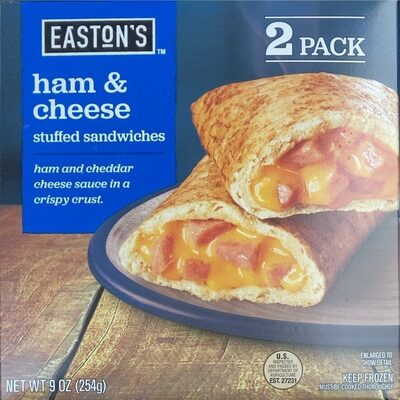 The Moran Group Incorporated
Ham & Cheese Stuffed Sandwiches, Ham & Cheese
High in sodium — 23% DV per serving
High in saturated fat — 45% DV per serving
268kcal
7.1Protein
11.8Fat
31.5Carbs
Harris-Teeter Inc.
Cranberry Orange Muffins, Cranberry Orange
High in saturated fat — 20% DV per serving
High in cholesterol — 22% DV per serving
389kcal
4.4Protein
18.6Fat
49.6Carbs
Wal-Mart Stores, Inc.
Neapolitan Mousse Mixed Berry Mousse, French Style Cheesecake Mousse And Chocolate Mousse, Neapolitan Mousse
High in saturated fat — 65% DV per serving
High in added sugars — 44% DV per serving
329kcal
2.4Protein
20.7Fat
32.9Carbs
The Moran Group Incorporated
Ham & Cheese Stuffed Sandwiches, Ham & Cheese
High in sodium — 23% DV per serving
High in saturated fat — 45% DV per serving
268kcal
7.1Protein
11.8Fat
31.5Carbs
The Moran Group Incorporated
Ham & Cheese Stuffed Sandwiches, Ham & Cheese
High in sodium — 23% DV per serving
High in saturated fat — 45% DV per serving
268kcal
7.1Protein
11.8Fat
31.5Carbs
Harris-Teeter Inc.
Cranberry Orange Muffins, Cranberry Orange
High in saturated fat — 20% DV per serving
High in cholesterol — 22% DV per serving
389kcal
4.4Protein
18.6Fat
49.6Carbs
Wal-Mart Stores, Inc.
Neapolitan Mousse Mixed Berry Mousse, French Style Cheesecake Mousse And Chocolate Mousse, Neapolitan Mousse
High in saturated fat — 65% DV per serving
High in added sugars — 44% DV per serving
329kcal
2.4Protein
20.7Fat
32.9Carbs
The Moran Group Incorporated
Ham & Cheese Stuffed Sandwiches, Ham & Cheese
High in sodium — 23% DV per serving
High in saturated fat — 45% DV per serving
268kcal
7.1Protein
11.8Fat
31.5Carbs
Learn more
Auto-generated content. This description was generated automatically and is pending editorial review. Inaccuracies are possible. Found a mistake? Contact us.