Thermophilus L
What is Thermophilus L?
Thermophilus L is a strain of bacteria, specifically a type of lactic acid bacteria. It is often used in the production of fermented foods like yogurt and cheese. This bacterium helps break down sugars into lactic acid, contributing to the characteristic tangy flavor and texture of these products.
Is Thermophilus L vegan?
Thermophilus L is not animal-derived. Products that contain it can still include other animal-derived ingredients, so check the full ingredient list.
Is Thermophilus L a major allergen?
Thermophilus L itself is not a major allergen.
What is Thermophilus L used for?
Thermophilus L is primarily used as a live culture in yogurt and other fermented dairy products.
Is Thermophilus L safe?
Thermophilus L is generally recognized as safe (GRAS) by the FDA for use in foods.
Why it's used
Thermophilus L is primarily used as a live culture in yogurt and other fermented dairy products. Its role is to ferment lactose (milk sugar) into lactic acid, which lowers the pH, thickens the product, and creates the desired tangy taste. It is also sometimes added to probiotic supplements.
Health notes
Thermophilus L is generally recognized as safe (GRAS) by the FDA for use in foods. As a probiotic, it is thought to contribute to a healthy gut microbiome, though research is ongoing. International bodies like JECFA have evaluated it, but did not set a specific numeric limit. Evidence regarding specific health benefits is still developing, and it is not considered a cure or cause of any disease.
Allergen info
Thermophilus L itself is not a major allergen. However, it is commonly found in dairy products like yogurt, which are derived from milk, a major allergen.
Foods that contain Thermophilus L
Compare products →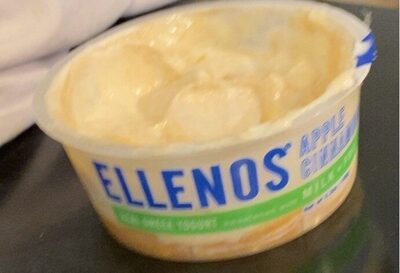

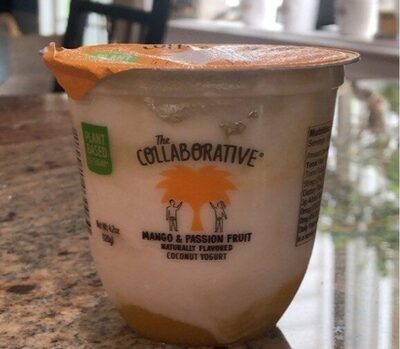


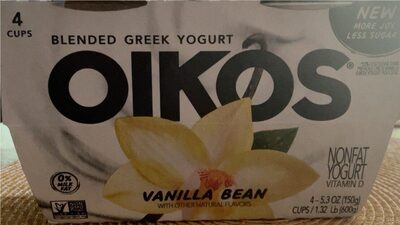
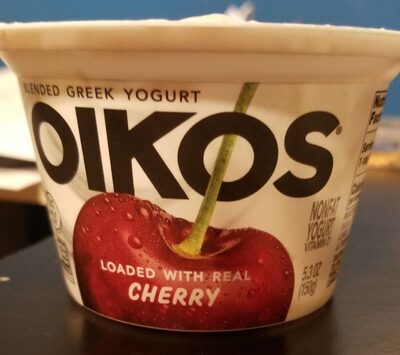


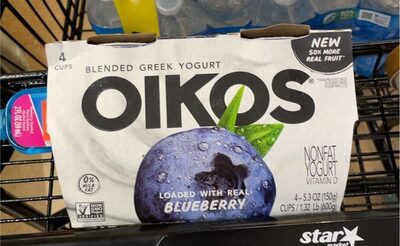
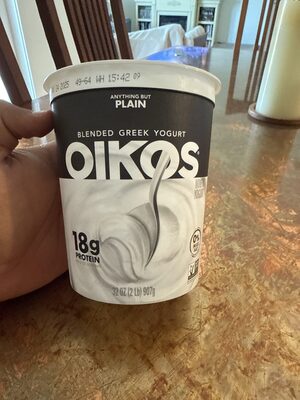

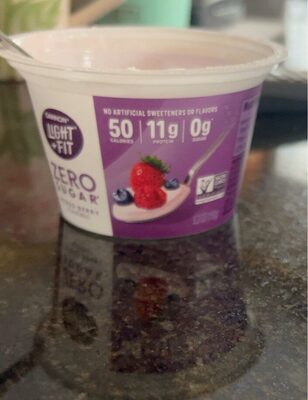

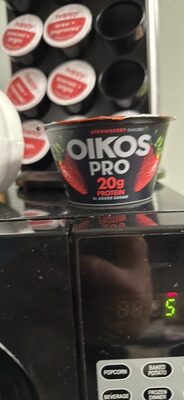
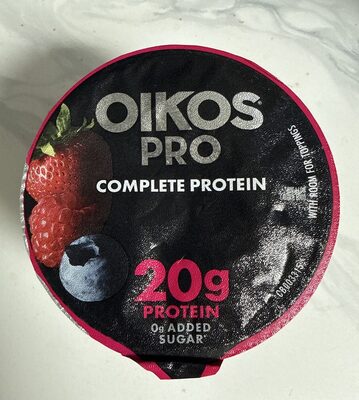
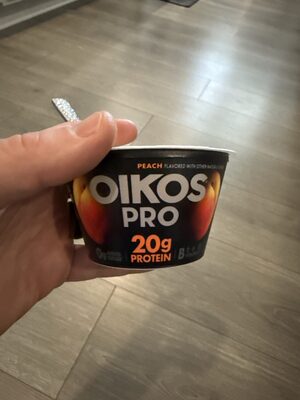 Oikos Pro
Yogurt-Cultured Ultra-Filtered Milk Peach Flavored, Peach
93kcal
13.3Protein
2Fat
5.3Carbs



Auto-generated content. This description was generated automatically and is pending editorial review. Inaccuracies are possible. Found a mistake? Contact us.