Yogurt Cultures: S
What is Yogurt Cultures: S?
Yogurt cultures are live microorganisms, typically bacteria like Lactobacillus bulgaricus and Streptococcus thermophilus. These bacteria are added to milk and ferment lactose (milk sugar) into lactic acid, which thickens the milk and gives yogurt its characteristic tangy flavor.
Is Yogurt Cultures: S vegan?
No. Yogurt Cultures: S is animal-derived, so it is not vegan.
Is Yogurt Cultures: S a major allergen?
Yogurt cultures themselves are not a major allergen.
What is Yogurt Cultures: S used for?
Yogurt cultures are essential for making yogurt and other fermented dairy products.
Is Yogurt Cultures: S safe?
Yogurt cultures are generally recognized as safe (GRAS) by the FDA for use in foods.
Why it's used
Yogurt cultures are essential for making yogurt and other fermented dairy products. They act as a crucial processing aid, transforming milk into yogurt through fermentation. They are found in virtually all types of yogurt, including Greek, regular, and flavored varieties.
Health notes
Yogurt cultures are generally recognized as safe (GRAS) by the FDA for use in foods. The live microorganisms in yogurt are often referred to as probiotics, and some research suggests they may support gut health. JECFA has evaluated them and established acceptable daily intakes. However, the specific health benefits can vary depending on the strains and amounts present.
Allergen info
Yogurt cultures themselves are not a major allergen. However, they are typically added to milk, which is one of the 9 FDA major allergens.
Foods that contain Yogurt Cultures: S
Compare products →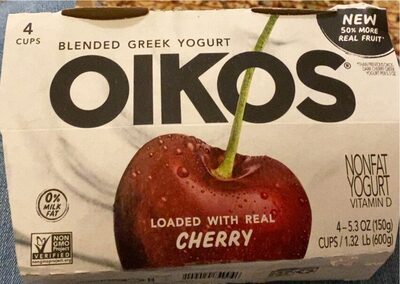 Danone US, LLC
Cherry Blended Greek Nonfat Yogurt, Cherry
60kcal
8.7Protein
0Fat
7.3Carbs
Danone US, LLC
Cherry Blended Greek Nonfat Yogurt, Cherry
60kcal
8.7Protein
0Fat
7.3Carbs
 Danone US, LLC
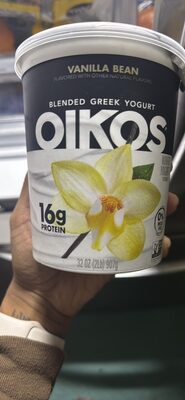
Vanilla Bean Blended Greek Nonfat Yogurt, Vanilla Bean
71kcal
9.4Protein
0Fat
8.2Carbs
Danone US, LLC
Vanilla Bean Blended Greek Nonfat Yogurt, Vanilla Bean
71kcal
9.4Protein
0Fat
8.2Carbs
 Danone US, LLC
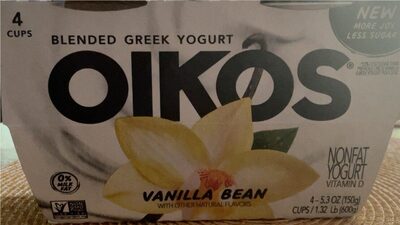
Vanilla Bean Blended Greek Nonfat Yogurt, Vanilla
67kcal
9.3Protein
0Fat
8Carbs
Danone US, LLC
Vanilla Bean Blended Greek Nonfat Yogurt, Vanilla
67kcal
9.3Protein
0Fat
8Carbs
 Danone US, LLC
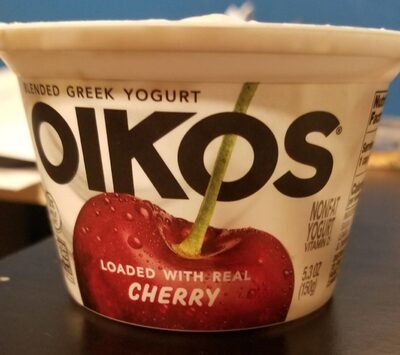
Loaded With Real Cherry Blended Greek Nonfat Yogurt, Cherry
67kcal
8.7Protein
0Fat
8.7Carbs
Danone US, LLC
Loaded With Real Cherry Blended Greek Nonfat Yogurt, Cherry
67kcal
8.7Protein
0Fat
8.7Carbs
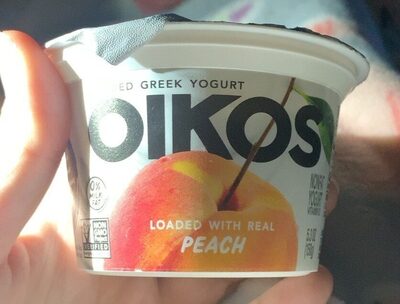 Danone US, LLC
Blended Greek With Real Peach Nonfat Yogurt, Peach
67kcal
8.7Protein
0Fat
8.7Carbs
Danone US, LLC
Blended Greek With Real Peach Nonfat Yogurt, Peach
67kcal
8.7Protein
0Fat
8.7Carbs
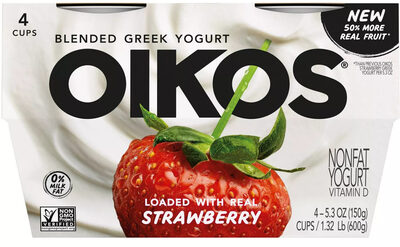 Danone US, LLC
Blended Greek With Real Strawberry Nonfat Yogurt, Strawberry
67kcal
8.7Protein
0Fat
8.7Carbs
Danone US, LLC
Blended Greek With Real Strawberry Nonfat Yogurt, Strawberry
67kcal
8.7Protein
0Fat
8.7Carbs
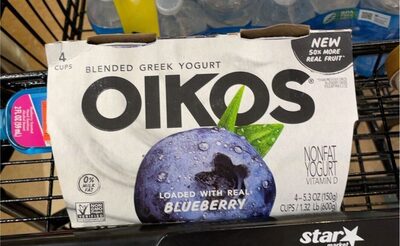 Danone US, LLC
Blueberry Blended Greek Nonfat Yogurt, Blueberry
67kcal
8.7Protein
0Fat
8.7Carbs
Danone US, LLC
Blueberry Blended Greek Nonfat Yogurt, Blueberry
67kcal
8.7Protein
0Fat
8.7Carbs
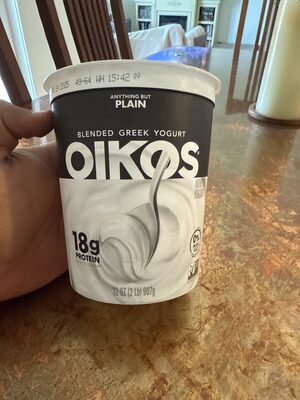 Danone US, LLC
Anything But Plain Blended Greek Nonfat Yogurt
59kcal
10.6Protein
0Fat
4.1Carbs
Danone US, LLC
Anything But Plain Blended Greek Nonfat Yogurt
59kcal
10.6Protein
0Fat
4.1Carbs
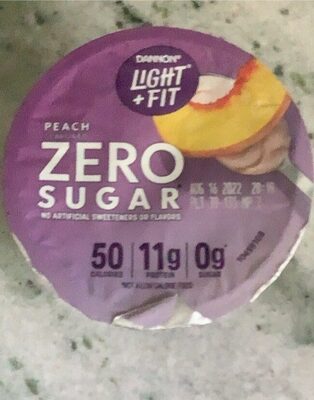 Danone US, LLC
Peach Flavored Yogurt, Peach
33kcal
7.3Protein
0Fat
4Carbs
Danone US, LLC
Peach Flavored Yogurt, Peach
33kcal
7.3Protein
0Fat
4Carbs
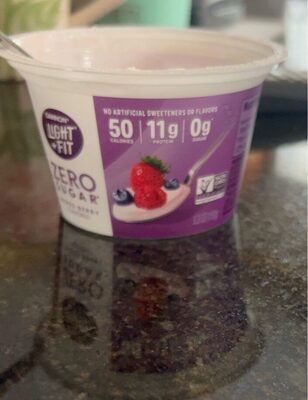 Danone US, LLC
Zero Sugar Mixed Berry Flavored Yogurt, Mixed Berry
33kcal
7.3Protein
0Fat
3.3Carbs
Danone US, LLC
Zero Sugar Mixed Berry Flavored Yogurt, Mixed Berry
33kcal
7.3Protein
0Fat
3.3Carbs
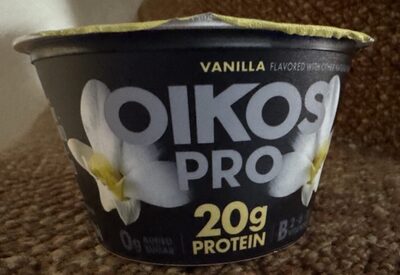 Danone US, LLC
Vanilla Yogurt-Cultured Ultra-Filtered Milk, Vanilla
93kcal
13.3Protein
2Fat
5.3Carbs
Danone US, LLC
Vanilla Yogurt-Cultured Ultra-Filtered Milk, Vanilla
93kcal
13.3Protein
2Fat
5.3Carbs
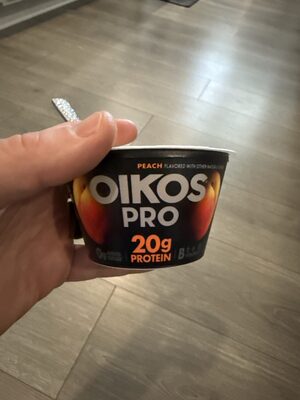 Danone US, LLC
Yogurt-Cultured Ultra-Filtered Milk Peach Flavored, Peach
93kcal
13.3Protein
2Fat
5.3Carbs
Danone US, LLC
Yogurt-Cultured Ultra-Filtered Milk Peach Flavored, Peach
93kcal
13.3Protein
2Fat
5.3Carbs
Learn more
Auto-generated content. This description was generated automatically and is pending editorial review. Inaccuracies are possible. Found a mistake? Contact us.